Rivers are nature’s best metaphors. River of life. Blood rivering through our veins. After the flood. Fighting our way upstream. Swept away by the current. So much of our own personal lives can be described through comparisons to the onrushing water, with its eddies and rapids and shallows, that connects the land to the sea.
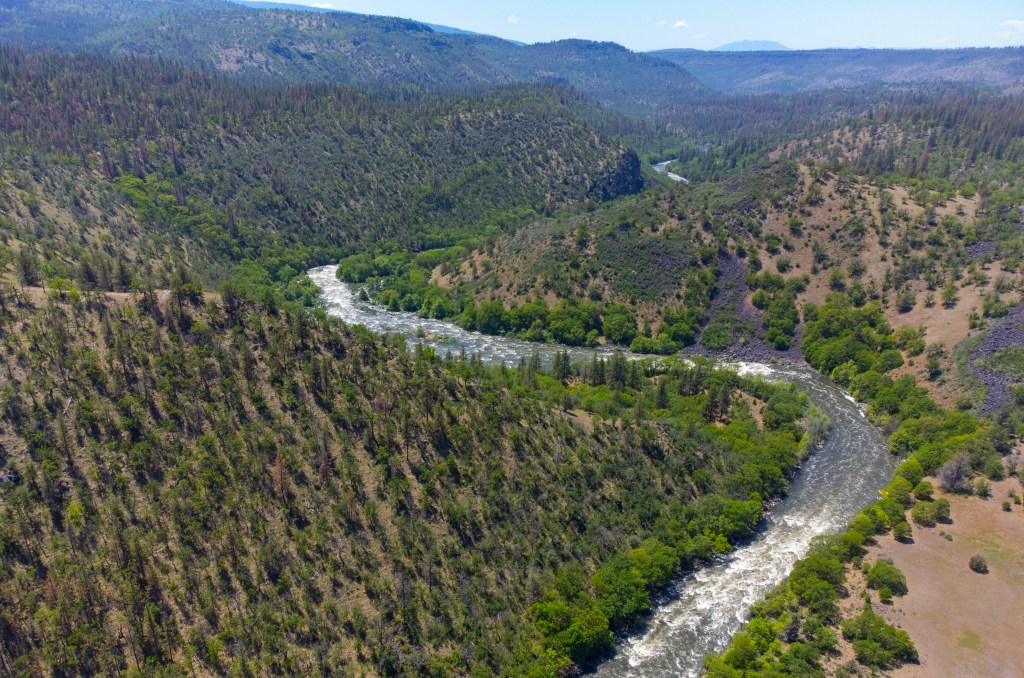
Maybe it’s because rivers spark something deep in human nature, hearkening back to a time when they were the arteries of human expansion and eventual world domination. Maybe it’s because they still provide life and sustenance today in otherwise unlivable landscapes. But rivers define us. They mark political boundaries. They must be crossed, forded, protected, controlled. And in few places are they more essential to civilization than in the American West.
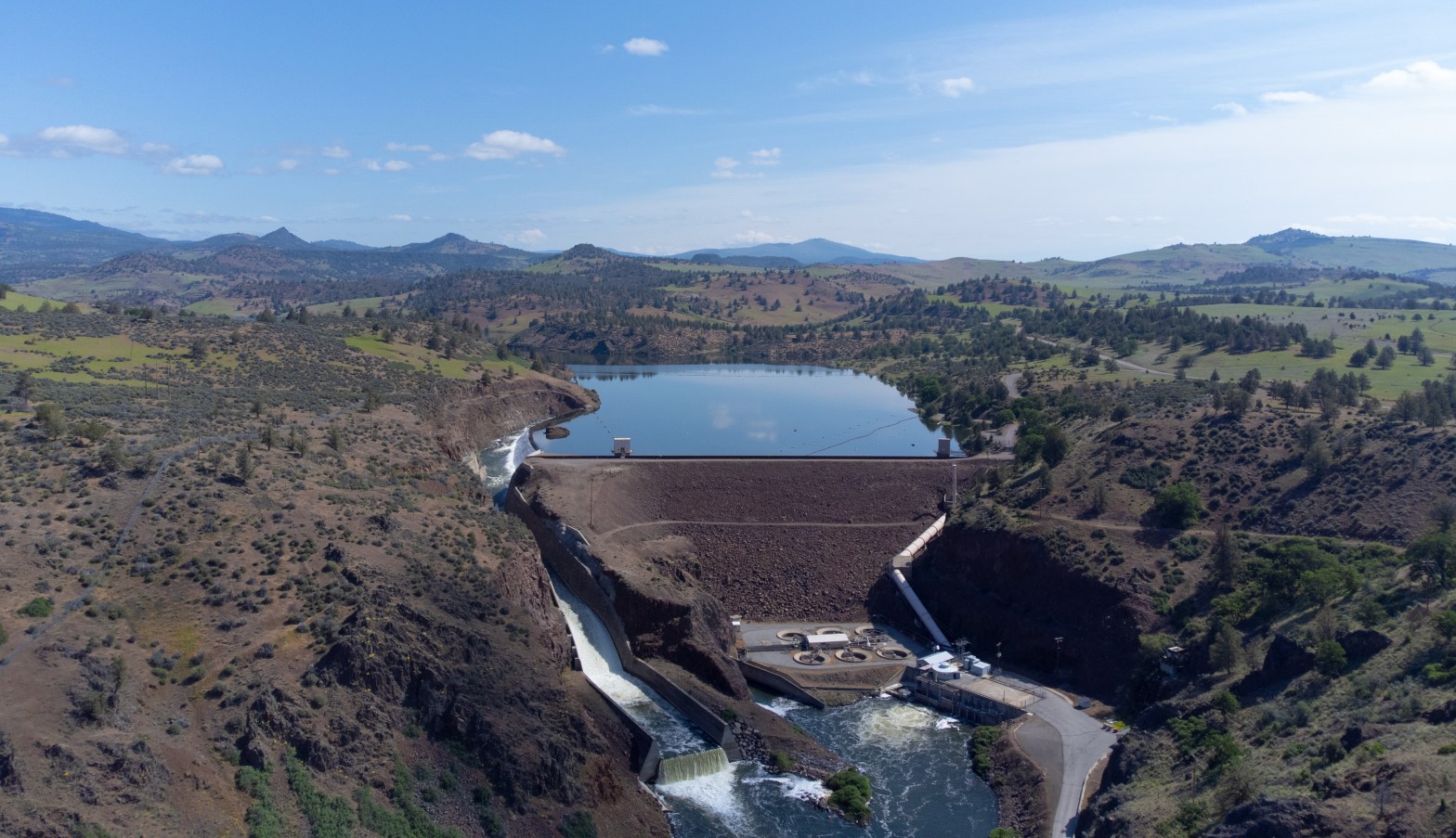
And no river in the American West, or anywhere in the world, has experienced the transformation that the Klamath River will soon be undergoing. More than a century ago, the river grew divided. Dams were created that separated the upper and lower rivers, severing connectivity, causing ecological upheaval. But this work also created opportunity for agricultural expansion into otherwise un-farmable landscapes, and to generate electricity and slake a thirsty world.
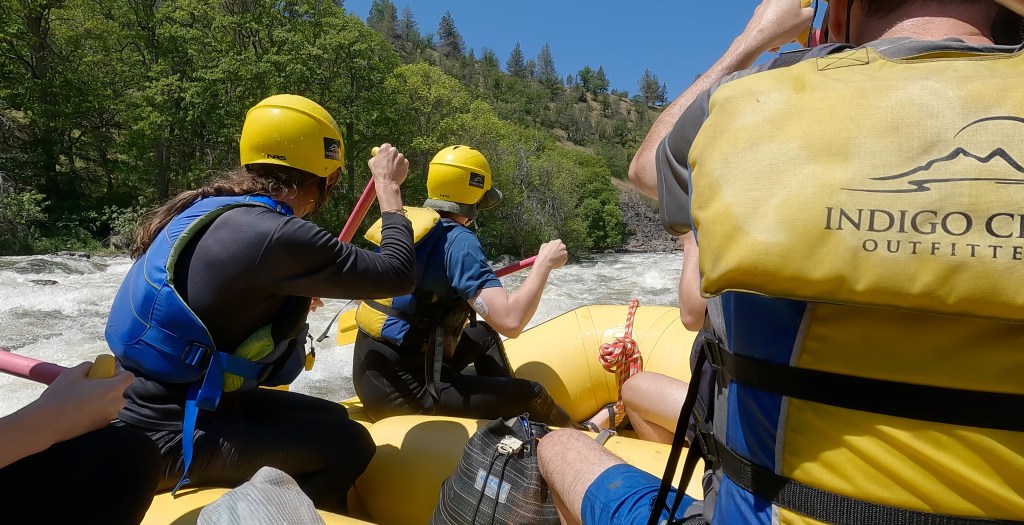
Now, four of the Klamath dams will be removed. The two reaches of the Upper and Lower Klamath will become reunited and free flowing. And I’m just starting a film project to document this process and try to witness this transformation through the people effected: farmers, river guides, restoration experts, engineers, boaters, fishers, tribes and resource managers. And also, there are the faculty and engineering students from Oregon State University, who will have a role in once-in-a-lifetime transformation.
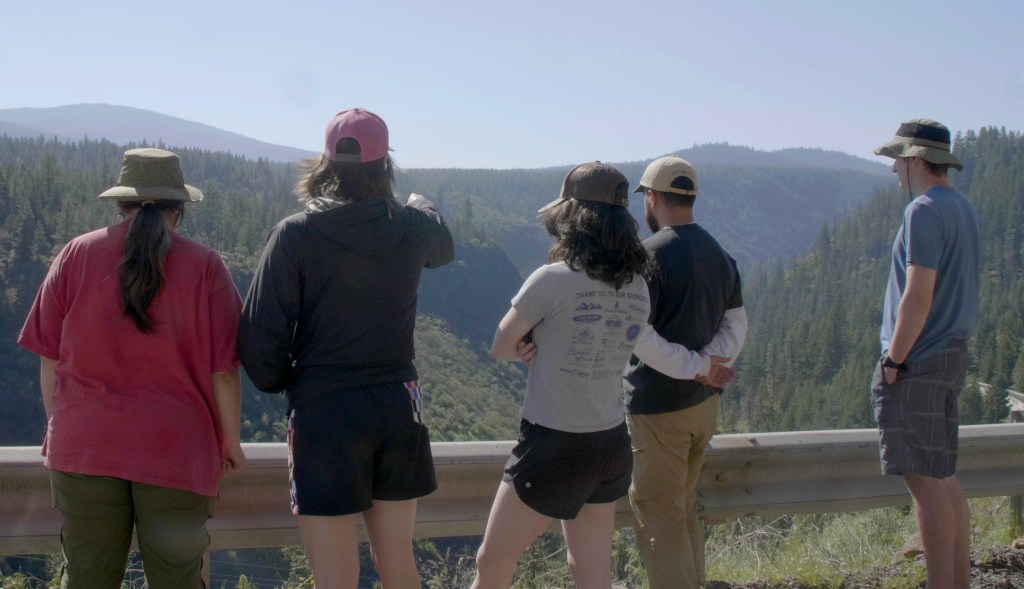
Two rivers, the Upper and Lower Klamath, will soon become one. And two rivers…one dammed and controlled and one wild and free flowing…will exist in several points in history through the same mountainous, dusty and rambling landscapes on the forgotten edges of two states. So I can only imagine what watery metaphors will arise out of this project, and where the stories will lead. But whatever the story, it will involve massive disruption. And with time, care, luck and hard work, it may even lead to renewal.
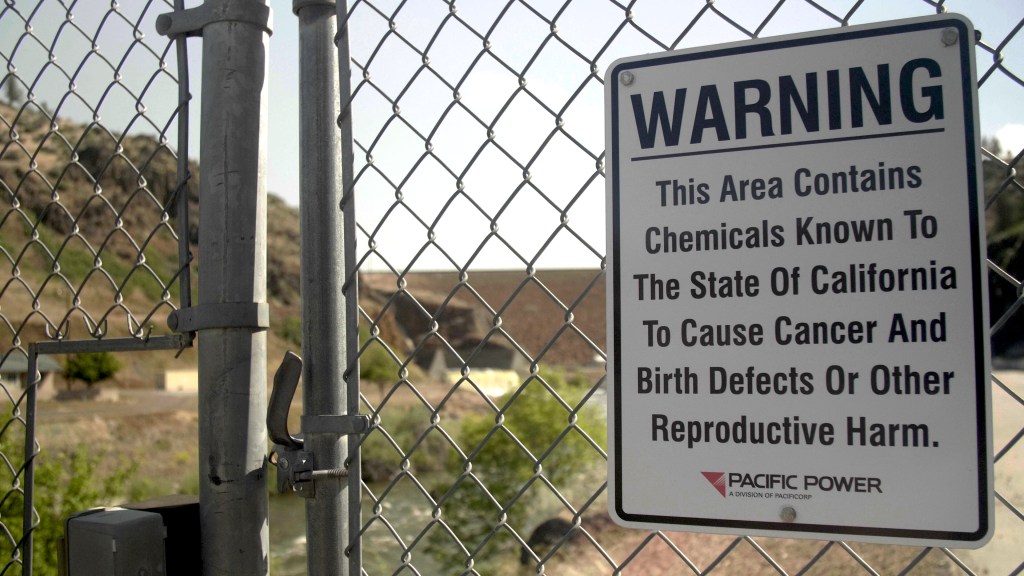
Learn more about the Klamath River restoration project:
- View a storymap created by the OSU research team studying the transition.
- Read an interview with project lead and water resource engineer Desirée Tullos.
 The Dilettante's Field Manual