Do films actually matter? I spend a lot of time wringing my hands over this question, especially since I’ve committed so much of my life to making them. We all want to know that our work has meaning. A recent trip to Colombia to screen Saving Atlantis around South America’s northernmost country put this question to the test.
We filmed portions of Saving Atlantis, our documentary about the decline of the world’s coral reefs and the people fighting to save them, in Colombia in 2016. The scenes we shot there focused on a reef called Varadero, which is unusual in that it exists in cloudy water near Cartagena Bay, a place where few scientists expected to find a flourishing reef. But soon after discovering this reef, it was threatened by the dredging of a new shipping channel.
The goal of our return trip to Colombia was simple: show the film in five locations in seven days across the country, ranging from the massive capital city to tiny island villages, and to spread the word about the fate of the world’s corals and of Varadero in particular.
Could our feature documentary…a passion project pulled together by a ragtag team over the course of four years working on the fringes of our day jobs and personal lives…make an impact in a country half a world away?
“I’m going to Chicago. I’ve never been there before…”
I sometimes overhear this phrase, and it flips a switch in me that unleashes a flood of nostalgia and engages my instinct to offer my unsolicited opinions to the prospective visitor in florid detail. Incidentally this is the very same instinct that has rendered me a writer and filmmaker and general producer of unsolicited content of all stripes, which is another story altogether.
But as a native of the region, Chicago’s downtown, that crosshatch of stone, steel and glass canyons on the shore of the magnificent inland sea known as Lake Michigan always sets my heart atwitter and my stomach to rumbling. Washington Irving once wrote that we are defined by the geography of our youth. For him it was the mighty Hudson River. But for me, it was that vast, featureless plain of prairie country and the human geography, the home of the skyscraper, that captured my imagination. I eventually moved west, seeking real mountains, and as stunning as I find the volcanoes of Oregon’s Cascade Range today, there’s still a piece of me that can’t help but marvel at the manmade mountains built so audaciously on the swamps at the edge of that greatest of the world’s sweetwater seas.
I’ve typed up a novelistic advisory email on how a prospective visitor should spend a few days in Chicago so many times that it seems more efficient to finally memorialize that information in a blog post. So here you have it, your thumbnail guide to a weekend in the Windy City. So enjoy your time in one of the greatest, food, sports and cultural cities on the planet, and my sweet home, Chicago.
Pizza
Gino’s original deep dish.
Any visitor to Chicago is required to sample the signature dish. You may think of New York or Napoli when it comes to pizza, and that’s fine, but what Chicago produces is several styles of actual pizza, which is a different thing altogether. It’s closer to a religious experience than it is a meal. Below are the establishments where you can sample examples from each of the major classifications of Chicago pizza.
1) Deep Dish at Gino’s – Cheese on bottom, sauce on top. An entire layer of Italian sausage in the middle. Gino’s is the original of the “deep dish” style. Some people prefer Lou Malnati’s. Giordano’s is fine, but only if you’re in a pinch. If you only try one style of pizza on your visit, this is it.
Joe Aurelio is a holy figure for many in the south ‘burbs.
2) Aurelio’s – This style of pizza is driven by the soft crust and the sauce. It’s also smothered by a continuous layer of cheese…sheets of it, not shredded, baked until it’s golden brown and pitted with pools of pure cheese oil. This is my preferred variety. It’s known for its suburban locations, where it originated in the outer ring in the 1950s and is typical of the style now served all over in the suburbs. I believe it’s also the nation’s very first pizza chain. The Homewood location in the South ‘burbs is worth a pilgrimage by train for the true pizza aficionado, but there are locations downtown as well. https://www.aureliospizza.com/locations/
3) Home Run Inn – This style features a flakey crust and lots of Italian sausage. This is a classic North Side style where the sauce plays a lesser role to the textures of the other ingredients. Its legacy is tied closely to the Cubs and the legendary ballpark of the formerly hapless team, though now recent champions.
4) Vito and Nick’s – This variety has an intense sauce and a very thin cracker crust cut into squares. It’s the polar opposite of the deep dish and very typical of the South Side style. Calvin Trillin, food writer of the New Yorker rated it best in the country, and indeed it hearkens back to the early days of American pizza. Old timers will find themselves reminiscing about pies shared with high school sweethearts, and it’s not just because of the Old Style on tap and the shag carpet on the walls. It’s like stepping back into the 1960s.
Try the Italian beef combo (or just a regular Italian beef). This sandwich is a pure celebration of meat. Served with thin slices of marinated roast beef and giardiniera peppers and smothered in the spicy au jus, it’s what a humble “French dip” sandwich dreams of becoming when it grows up. Add some mozzarella and insert an entire butterflied, grilled Italian sausage for the “combo” experience and you’ll experience life as a true Pleistocene carnivore. The Maxwell Street Polish sausage harkens back to the flea market days of the near West side and features grilled onions. The Chicago style hot dog takes a humble Vienna sausage to its pinnacle by the addition of a poppyseed bun, sport peppers, hot mustard and a garden’s worth of vegetables.
Laschett’s is a hole-in-the-wall German restaurant. There used to be a million just like it, but they’re mostly gone. Lincoln Park was primarily German speaking until the 1970s. They had their own Chicago newspaper printed entirely in German (the publisher ran for Mayor in the 1800s but lost) and even the public schools taught the German language first. Now, most of the Germans have assimilated. There’s also a decent German deli a few blocks away called Gene’s plus a few German shops. Anyway, the food is solid and cheap and the whole place is typical of a bygone immigrant era that most tourists won’t ever see.
Things to See
Chicago’s architecture is one of the greatest, most audacious feats of human endeavor. Marvel at the Taj Mahal or Notre Dame Cathedral if you’d like, but nothing compares to the landscape that Lewis Sullivan, Daniel Burnham and Mies Van Der Rohe crafted out of stone and steel on a swamp at the edge of the great lake. “Make no little plans; they have no magic to stir men’s (and women’s) blood,” Burnham famously said, and if your breath isn’t stolen by a glimpse of the magnificent mile and the museum complex, this edifice of magnificent buildings at the edge of the great, blue expanse, then you lack the proper capacity for awe.
True, awful glass structures dominate today’s skyline (including the Trump monstrosity, complete with the asshole’s name gaudily slapped on the outside) but if you look between the seams you can find the real glory of Chicago’s grand history of classic sckyscrapers.
And here are some other sights you shouldn’t miss –
Museum of Science and Industry (only building still remaining from the White City world’s fair) – on the South Side in Hyde Park.
The silver bean/Grant Park – Walking the lakefront and looping back through the museum campus park is pretty amazing.
Navy Pier – Kind of touristy, but the Ferris wheel is definitely worth it for the views.
Hancock Building – this is the coolest example of modern skyscrapers. None of this blah glassy garbage they build now…it’s graceful and elegant and special when you look up from below. Go to the 95th floor Signature Lounge for an overpriced drink or two, and you get the views without the hassle of the Sears Tower observation deck and it’ll wind up being cheaper. I like the views at night, seeing the grid of the city stretch out, and best of all the Sears Tower is in the view. And the best view is from the women’s restroom…or so I’m told.
Garfield Park Conservatory – Cool 18th century building. Indoor botanical garden. Nice place to spend indoor time if the weather sucks. Neighborhood is rough and tumble, but the Conservatory is an amazing building.
Museum of Contemporary Art – Right near Gino’s! Great museum and not too pricy.
The Chicago Water Taxi is a cheap way to cruise the river. At 10 bucks for an all-day pass you can plan some boat trips into your walking tour and get a river view of the buildings.
Of course there’s so much more to see. You could spend weeks exploring and not even begin to scratch the surface. But this will make for a great start to exploring the Windy City.
Oak Park
The suburb of Oak Park is right off the Green El line. It has an amazing cluster of Frank Lloyd Wright houses and buildings. You can do a walking tour of the neighborhood and see most of them. His home and studio is well worth the full tour. If you’re into literature, Hemingway’s home and birthplace is here, too.
The Green Mill is a classic, seedy jazz club on the North Side.
Books
Here are a few books you can read on the plane to get a little flavor of the city before you land.
Chicago by Brian Doyle – A Portlander got it right in this nostalgic and magic recreation of his life on Chicago’s North Side in the 1970s.
Devil in the White City by Eric Larsen – Follows Daniel Burnham’s audacious quest to create a World’s Fair in Chicago that could outshine the legendary Paris exhibition, launching the new era of modernity, told in parallel with the story of that other modern creation, the serial murder. Fascinating, inspiring and horrifying all at once.
So Big by Edna Ferber – The author of such classics as Giant and Showboat offers glimpse into Chicago’s rural past. This book captures the city and its architecture right at the moment where it grew from a prairie town into a world-class city.
Native Son – Richard Wright’s classic novel of race, poverty and crime is set in a divided Chicago of the 1930s, remaining as heartbreakingly real today as it was seventy-five years ago.
When I am involved in the production of feature documentaries there is often a sense of disorientation as we begin to wrap things up. And in 2018, this confusion is heightened by the fact that I have two films scheduled for release. Questions arise in my mind. How did these things get started? How the hell did we manage to finish them? Will people like them? And then I start to wonder if these will be my last films. It’s a difficult, draining, expensive process. But then it’s also addictive. Not making films is probably not an option for me.
But now, finally, we’re standing in the precipice of the moment of truth, the first screening in a darkened theater, where these projects will finally be realized. We have secured premieres for 2018. Whatever happens next is a bonus as far as I’m concerned.
One thing is for certain, amid this thicket of thorny questions: documentaries turn out well because of collaboration and the efforts of a whole lot of people. It starts with the willingness and selflessness of the subjects themselves who open their stories up for the camera. And then there are the filmmaking partners, donors, technicians and the occasional words of encouragement from an army of people.
For Saving Atlantis, which starts with sneak previews in Portland, Oregon on February 15th, with additional previews in Corvallis and Newport on the 20th and 21st, it was a four-year journey driven largely by the energy of Justin Smith, my co-director on the project, who pushed us to learn underwater cinematography from scratch, not to mention a whole host of researchers who shared their work, lives and their passion to save vanishing reefs. Camera work and post-production by Darryl Lai and Daniel Cespedes have brought this project to new heights.
Three Days of Glorywill premiere at the Newport Beach Film Festival in Southern California in April. It was co-director Scott Wright’s deep love and knowledge of Burgundy that allowed us to explore and understand the region and its end-of-harvest festivals in a way, we believe, that hasn’t been done before. The magic and spirit of the region and the people we interviewed is what really brought this project to life.
So 2018 should be an interesting year. Right now it’s hard to say where these films will land. But I hope they will find their audiences, because they are both important stories about a changing world. Each of them, in their own ways, address issues of what type of society, culture and planet we want to leave our children.
As a product of the world’s greatest capitalist endeavor, that mythic and crumbling experiment we know as America, born in the consumptive shadow of a shopping mall, I come pre-programmed with my idea of what a gift should be. It’s a material good, packaged tidily, gaudily wrapped and placed under a tree. It’s not some home-fashioned artifact, a poem or a meal lovingly prepared, but instead something that is mass produced and hawked in a sophisticated advertising blitz that has been strategized with military precision and targeted specifically at the demographic I happen to inhabit. As we age, our notion of a gift might transform from the novel plaything into the gleaming luxury car with a giant bow parked on a snowy drive near some suburban castle. Or perhaps it’s the castle itself.
Lolo rolls out the barrel as he opens his cafe for lunch.
Whatever the case, the gift is stuff, made by others. And we don’t seek the gift out, but rather it finds us. We are told what to want. Brands win our affinity and then we ask for those brands, regurgitating them in lists to those whom we expect to buy things for us in the elaborate, suggestive mind trick that is marketing.
Those of us who give gifts are mere steps delivery logistics process, wedged between the UPS truck and the intended target. Thoreau said we are the tools of our tools, which is how someone in the Nineteenth Century would indicate our role in the business-to-consumer supply chain. This all goes to say that there is clear evidence that culturally we’ve ignored en masseLinus’s monologue about commercialism in the Charlie Brown Christmas special.
But there exists, in some places, cultures and times, examples of purity in the gifting process. There are those who adhere to ancient, hunter-gatherer roots, inhabiting that restless impulse of incipient humankind that drove us from the warmth and abundance of the savannas to the barren, frigid and rocky north. That restlessness to explore, that joy of discovery, that inherent drive to discover and then bring evidence of our curiosity back to those whom we love, the quest for something new, strange, an exotic flavor, a rare and precious item that piques our curiosity and senses, not some mass produced nonsense we’ve been programmed to desire: that restlessness still exists in in the hearts of a few.
And one such person is Lolo.
Traveling is a great way to remind us that where our own culture may have failed, others have manage to survive, thrive and adapt in the face of the global commercial onslaught. I’ve had the great fortune to spend time in Burgundy to work on a documentary about the plight of small wine producers there called Three Days of Glory. And during my travels, I met Lolo, who is the proprietor of La Dilettante, a cafe and wine bar haunted by local winemakers, epicureans and a few tourists in the know. It’s a cozy refuge from the gloriously overwrought, five-course lunches and seven-course dinners one tends to take when visiting that glorious province of Burgundy where so many marvelous restaurants are tucked into every corner of forgotten, stone-walled villages.
Entering Lolo’s cafe, you always have the feeling of coming home. It is cozy and unpretentious. He and his family are genuine and friendly, but not in any excessive, artificial way. He offers light plates of cheeses and charcuterie that he sources himself both from the local market and on long trips across France and Spain he spends searching for the perfect hams and the most sublime cheeses. When he sets a plate of cold cuts and a basket of the world’s most exquisite bread on your table you hear angels ringing their bells just like George Bailey’s daughter in It’s A Wonderful Life. If there is meat that is more candy than actual candy, then it is the stuff that Lolo shares with you in his cafe. I was introduced to Lolo’s cafe by Scott Wright of Caveau Selections, my partner on the film project and someone with a knack and passion for uncovering the real Burgundy and sharing it with others.
I recently had the chance to introduce my daughter to Lolo’s cafe. We had the opportunity to attend a sneak preview of our film at Les Ateliers du Cinéma in Beaune, a film school run by legendary French director Claude Lelouch. At my wife’s suggestion, I brought Bailey along as a sort of combined Christmas and Birthday present. Not a bad gift for a fourteen-year-old girl: a trip to France and bragging rights that come with a series of photos in front of the Eiffel Tower and Notre Dame for Instagram and Snapchat. She’d seen me march off to France for this film project a number of times throughout the year. “I’m working,” I’d tell her, she didn’t believe it. In truth, making films is more of an avocation than a vocation, and thus the need for a day job with benefits. But the upshot is that she always asked to come along and I had demurred, telling her “next time” so often that it would have been criminal for me to return again without her.
One of the stops on the itinerary, which included shopping in Paris and a visit to the Dior exhibit at the Musée des Arts Décoratifs, plus a series of iconic Instagrammable locations, was Lolo’s cafe in Beaune. I’d been telling Bailey for years in a poor philosophical translation of Thoreau’s notion of the supremacy of experiences over material goods. This was self-justification: a trip is a superior gift to a thing. An expensive meal and bottle of wine and the transient nature of it and the eventual memory of the flavors is, in my not so original philosophy, on a higher plane than, say, an expensive belt, purse of piece of technological nonsense that will be worth next to nil once the new version comes out. She’s been hearing this lecture since her toddlerdom: it’s the curse of being the only child of someone who reads enough to make him pretentious.
I was hoping that bringing Bailey to La Dilettante for a light meal would be a transcendent experience. We’d seen the sites and eaten crepes and she was developing a hankering for pizza and “McDo’s,” but I thought she needed at least one true epicurean experience. We’re taught to fear stinky French cheeses and scoff at lean, simple meals. Our culture has trained us to admire restaurants for their excessive portion sizes. Smothering items with cheese or bacon or both tends to still be the preferred culinary tactic even after our supposed American food revolution.
But that’s not what Lolo does. His menu is blissfully simple. Along with one of the more carefully crafted lists of wines by the glass, as well as a wall of personally selected bottled wines and beers, each served with an optional story about its provenance and discovery, Lolo’s selections include plates of cheese, charcuterie or a few stalks of wild asparagus. Perhaps it will be a few rows radishes, butter and salt. Everything is market-fresh. And his meats and cheeses are selected on his journeys along the back roads of France. He describes the joy he feels when he comes across a new ham or sausage and he imagines slicing it and providing it to his customers. He views his customers not like a target market or brand prospects; for him they are like his family. He comes from a family of restauranteurs. They refer to their customers as “guests,” implying an interpersonal connection, face-to-face relationships, not some disembodied consumer demographic. And when he finds a new menu item to share on his travels, it’s a thrilling experience for him. “You consume eighty percent of the pleasure when you buy and you think [of] the people [to whom] you will give.”
This gift of flavor, which Lolo has been providing to his customers since opening the cafe, was something I was hoping to present to Bailey, my American teenager steeped in the lore of or brand economy. Well, we all want people to love the same things that we love, but unfortunately that’s not always the case. And never is it more rarely the case than when the thing is loved by the father of a teenage girl. That formula makes the subject immediately dubious. The cherished thing is instantly suspect. We were in the middle of a blitz tour of France. Bailey was wanting McDo’s. She wanted stories of how French McDonald’s were different, better or inferior to our own domestic varieties. She wanted a relatable experience. Instead, she received two cutting boards of translucent slices of meat and suspiciously smelly cheese, and then a few tiny pickled cucumbers.
It took us nearly an hour (and three baskets of sublime bread) to work through the meal, and Bailey didn’t say much. I was worried as we listened to the chatter of voices, mostly French with a smattering of German tourists. I tried not to over-analyze her reactions. She sampled everything, going back for seconds and then thirds of the perfectly ripe example of the notoriously odiferous Epoisses cheese. We finished our meal. We left. Because the evening light was low and golden, I embarrassed her by making her pose extra long for a series of photos outside the windows.
I wondered for a long time if she had connected with that food. For me, cafes like Lolo’s, their authenticity, the sincerity of their owners, the quality and curation of the ingredients and wines the provide are profound, sublime. It’s hard to explain and convey, and the best way to communicate is to share it. I’d showed it to her. I hoped that she understood.
I wondered if she appreciated the range of flavors, the artisanal quality, the ripeness of the cheeses. I thought that she might perhaps be too young to understand. Maybe she was too much of a teenager. Maybe she’d only be able to appreciate it when she was older.
But, of course I was wrong.
I realized this some weeks later when we were reviewing photos with her mom. A lot had happened in between: the screening of the film, another visit to Paris before a jet-laggy flight back home to Oregon, the launch of her team’s ski season, Thanksgiving, her birthday. The memories of the trip were fast fading, artifacts, it seemed, from an earlier life. But when we came across the photo of the plate of charcuterie, Bailey exclaimed, emphatically, pointing at the table in La Dilettante in the photo: that’s the best ham in the world!
She got it. The joy that Lolo first experienced when discovering the ham in some out-of-the-way village in the Basque country as he imagined sharing it with his customers, sliced carefully and presented simply alongside bread and cheese on a board, became a flavor experienced and then recalled weeks later. A great meal, a simple taste is a conversation that starts on a farm, is transferred to Lolo as he drives around the countryside in his role as the chasseur des produits – the hunter of the products – and then passed along to us.
I wonder how long that memory will last. Maybe the experience won’t rank as highly on my daughter’s list of memories as it does on my own. But reading the enthusiasm in her voice, the rare moment of unguarded, unbridled glee as she recalled those flavors for her mom, is certainly evidence of the power inherent in a carefully chosen and presented gift.
You can’t quantify that experience. I’ve had good, lousy and excellent plates of charcuterie at restaurants all over the world, including France and my own home town. All those plates cost roughly the same. I’ve paid more for a plate of cold cuts that come straight from the package. Lolo can’t mark up the care and effort he puts into the curation of the products he sells at La Dilettante. But what he gets for all of that extra work is the feeling of discovery when he finds the perfect ingredient to put on the plate, imagining his guests’ pleasure and thus deriving his own. And we get a photograph, a memory, a story and maybe all three. And that’s not something global brands can manufacture no matter how hard they try.
At first I didn’t understand this summer’s rumble and buzz about the Great Solar Eclipse of 2017. And I must admit that my skepticism while camping across the route of totality in Eastern Oregon: it looked like a desperate attempt for struggling communities to cash in an astrological phenomenon. Every gas station and convenience store stocked eclipse glasses, tee shirts, mugs and bumper stickers. Small quadrangles in city parks, fields and deserts were advertised at $200 per night.
For my part, I wasn’t so interested in the eclipse. I didn’t understand the fuss. So, the light goes out, I thought. And then it goes back on again. I’ve experienced any number of power outages over the years, and this, frankly, sounded less exhilarating than riding out a blackout during a low-pressure storm while playing Parcheesi in the cellar by lantern light, something I did any number of times growing up in Tornado Alley.
But news outlets predicted (and likely hoped for) all sorts of madness bordering on armageddon. There were warnings of shortages of fuel and fresh groceries. We were advised to stock up on drinking water. We were cautioned not to drive and my employer, Oregon State University, shuttered the campus, giving it over to the expected hordes of eclipse tourists.
But I was unable to join the gawkers on the grassy campus quads because I was assigned to film another aspect of the phenomenon. A group of students were launching a weather balloon equipped with a camera and tracking equipment. It would climb to eighty thousand feet and capture dramatic images of the eclipse shadow making landfall. Then the students would track it via satellite signal and share the dramatic high-resolution images. My job was to record the process.
As a media producer for the university tasked with creating videos and documentary films, I have to admit that I’m lucky to receive any number of cool assignments. I’ve been to tropical reefs and European forests on assignment with camera on hand. I’ve interviewed crusty oystermen and brilliant scientists working on the defining issues of our time. So in the project lottery, I sometimes draw the lucky straw, and getting a chance to be among the first Americans to observe the eclipse seventy miles off of the Oregon Coast seemed, at first, to rank among the best of them. Perhaps my eclipse experience might actually measure up to all of the hype after all.
But then the details started to come in. Suddenly the assignment started to slip in the rankings.
First, we learned that there was to be cloud cover out at sea and that we likely wouldn’t even see the eclipse. What’s more, we might not even be able to launch the balloon at all, rendering the whole cruise for naught. Next, high seas were expected, meaning our thirty-hour ride would be on stomach-dropping swells. Finally, many of the students and guests had never been to sea before. Anyone who’s crossed the bar in Oregon can tell you how newbies tend to fare on their first trip to the high seas.
While science is often exhilarating and fascinating, it’s also often a tedious and challenging grind. This was shaping up to fall into the latter category.
Oh well. In the name of science I packed up my camera gear and headed to the coast three hours before departure to fight the expected eclipse traffic.
Only there was no traffic. A few cars were streaming away from the ocean to flee the expected clouds and fog, and I arrived with plenty of time to spare. I’d brought a novel and a lawn chair, something I always keep on hand for trips to the coast, and I relished having a couple hours to kill by the surf with my feet stuffed into the cold sand. But a short stroll out on the beach was like walking into a sandblaster. A north wind was ripping spray from the tops of the breakers rendering beach reading impossible even with the wool blanket I’d brought along, so I hunkered down in a coffee shop and took my emergency dose of seasickness medicine.
We left the eerie calm of the port dock at sunset. The diesel engines on the Pacific Storm—a refitted fishing trawler with an impressive resume indicating that it should be nearing retirement—chugged us toward the clouds that were racing impossibly fast out past the bar. I found myself wanting to utter some movie cliché: it’s quiet, too quiet.
Sure enough, the first great drop over the lip of an incoming swell caused widened eyes and nervous sidelong glances. There were twenty of us on board, mostly crammed into the ship’s small lab. There were five members of the crew, more than a dozen students, a faculty advisor and a pair of reporters.
The seas were strong enough that the crew decided to secure the hatches. If you’ve ever been bounced around on the ocean for an extended period of time, you know how stuffy it can get in a crowded ship when the doors and windows are sealed. Add to that a half dozen weak stomachs, the odor of diesel fumes and the always distressing smell of marine heads and you have a recipe for mass sickness.
But fortunately, most stomachs held. The students, with sober looks of concentration and greenish casts, set to work. They checked equipment and tested systems. They reviewed their respective roles. One student was in charge of helium to inflate the balloon. Another, the satellite tracking system. Yet another was in charge of sealing the camera for when it crashed back down to the sea.
I liked these students. Most of them were studying engineering at the local community college with designs on transferring to the big university. They were serious. Realists. Several were older than average. They had day jobs and financial concerns. Some were making course corrections after a false start in the wrong direction.
I have interviewed a lot of impressive students, and I’m always humbled by their accomplishments. But community college transfers are an especially gritty and determined lot.
After a dozen hours of motoring west and a night of fitful sleeping curled up under a table in the lab, finally adjusting to the rhythm of the lurching swells, we rose bleary eyed as the boat neared the launch point. The students made their way to their stations, and before long they’d assembled on deck ready to inflate the balloon and its equipment, which consisted of a two and a half gallon bucket filled with electronics.
There was a tense moment when the fog and cloud cover was too thick for launch. The team only had clearance to proceed if the sky was at least 50% clear. Dawson, the team’s lead, took charge and tried to call the authorities via satellite phone for special permission to launch, but all channels were busy, reserved for eclipse emergencies.
Bt then the clouds parted. Maybe it was divine will or fate but more likely luck.
The skipper drove the boat into the wind so that the upper decks would provide some shelter while the students inflated the balloon on the ship’s bouncing stern. And then once they were ready, he turned broadside to the wind and the balloon was tugged skyward, ripped from the hands of the students. They cheered. Months of their time and effort drifted into the soup of intermittent clouds.
Now we had only to wait until the the balloon ascended to the determined height. Once it rose high enough, or was aloft for a set amount of time, the system was programmed to drop the bucket of equipment which would descend back to sea via a parachute for retrieval. Ingenious, really. Why hadn’t I volunteered for things like this in college? It made me regret my extracurricular activities of either working in the cafeteria or rehearsing with my 80s metal band. I also wrote lots of bad poetry. But then I also did plenty of fly fishing and camping along the shores of Lakes Michigan and Superior, which I don’t regret, so it wasn’t a total loss.
Next came the eclipse. We watched through the veil of drifting clouds as the moon slipped in front of the sun. I wasn’t expecting much, and indeed the sight was underwhelming. A crescent began to form, much less impressive than a waxing or waning moon and a star-studded night sky.
But then totality happened. We pulled off our glasses as day turned to night. The corona was evident even through the patchy clouds. There was an eerie chill and a sudden stillness on the sea. The students cheered. There were oohs and ahhs, and it was wonderful, in this age of modern marvels and mind-bending technology, to be able to stare in wonder at so ancient a phenomenon. And to be out to sea to share the sight with this beleaguered and weary group of travelers, short on sleep and tired of bouncing across the swells yet suddenly thrilled by the passing of our moon in front of the sun. To be light and then dark and then light again became a thrill that is hard to describe, so I’ll stop trying.
And now for the spoiler. The balloon…it didn’t reach its apex. And we weren’t able to retrieve it. The system suddenly began to descend. Students tracked its location via satellite, but once it lowered to three thousand feet they lost the signal. They valiantly used mathematic formulae to calculate its direction and speed of descent to try and discern its landing point, but after several hours of motoring along the path and scanning the sea they decided to call off the search and head to port, hoping that the system would wash ashore or a fishing boat might find it.
Experiments fail, and I think that’s a good thing. In some ways its better than when they succeed. You can insert any inspirational quote here about the path to success being paved with failures. Clichés all but also true. I think of my first film and my first unpublished novel and I’m actually quite happy that more people didn’t see them. I learned a lot, but they weren’t ready for prime time. The students seemed to take the loss of the balloon in stride. It was clear they gave their best efforts, though the return trip was more somber than it might have otherwise been.
The sight of the eclipse, and the surge of the swells, reminded me of the raw, uncontrollable forces of nature. I’d been on that ship a number of times over the years and seen various successes and failures by both students and expert researchers who are in the top of their fields. No amount of expertise can control the raw power of the natural world. Failures remind us of that.
But I was also reminded of another experiment, one in which we are all participating. There are plenty of people who deny the climate is warming and changing and that the ocean is becoming more acidic. We are pumping a crazy amount of carbon into the atmosphere in our hunger for fossil fuels. And I doubt any of those in denial over the human causes of climate change and its threat to the future of this planet and the humans and other species that live on it have ever been on a research vessel or spoken directly with students or faculty who study these things.
That we’re pumping enormous quantities of C02 into the air and that it winds up in the ocean is undeniable. We’re heading into uncharted waters. It’s kind of like performing experimental surgery on ourselves. If we screw up the oceans and weather of this planet, nobody will escape the consequences.
I’ve seen first-hand the damage caused to coral reef habitats. I’ve seen retreating glaciers. I’ve seen the affects of changing ocean chemistry. It’s happening. The world knows it. And I think the Republicans even know it, deep in their hearts. But they’re more interested in sticking a big middle finger in the faces of their political opponents and the rest of the world than admitting that they’re wrong. For many people, delusional thinking is easier than contrition. There is no such thing as the principled denial of climate change.
As we returned to port after thirty hours at sea, I stumbled to my car without breaking news. I had no successful experiment to report on. I didn’t have headline-making images of the moon’s shadow racing toward the Oregon.
But I was impressed by the commitment of the team. None of them were paid to be there. They weren’t even receiving class credit. They were volunteers in a club. Their curiosity was boundless. If we are to have any hope for a successful solution to the climate crisis that is in full swing, and the threats this crisis is subjecting to our oceans’ health, then these kids will be the ones to come up with the answers.
When President Trump decided to be the lone holdout and pull our nation out of the Paris Agreements, I felt shame but not surprise. What do you expect from a guy like that? A party like that?
They called this the Great American Eclipse 2017, as if it is something we owned. But we don’t own the sun or the moon or the ocean. I was on a boat with the first Americans to see this phenomenon, bouncing on the waves, at the mercy of great forces. We don’t own any of it.
But we do have the power to break it. And to save it.
And being out on a research ship that morning, I can say I was with a few of the people on the side of the debate that has a shot at fixing it.
The Douglas County Library system in Roseburg, Oregon is shutting down. If you go to their home page today, you get the following message:
Welcome to the Douglas County Library System! The LAST DAY to checkout materials will be Saturday, May 27th. Final due date for all items will be Wednesday, May 31st. Items not returned may be subject to collections.
A tax levy to sustain the libraries was voted down. The Randian culture of anti-tax fervor and its virulent contempt for anything that serves the public good has chalked up its latest victory.
A library closing for all time, leaving an entire community in a bookless vacuum, is a shattering thing to consider for bookish people like me. A stab at the heart of who we are. For what we understand a decent society to be. Making free books available, largely to kids and students and retirees on fixed incomes, is the very least we can do to provide for the common good. Supporting your local library is a no-brainer. But now libraries have become endangered ecosystems. The conditions of the world are changing and libraries are dying. My only hope is that they can evolve to survive in this new and more hostile climate.
Usually I go to the library to check out books for my daughter, who devours them. We like to buy books outright, but sometimes it’s hard for the pocketbook to keep up with the literary appetites of a thirteen year old. I try to imagine a world where that’s not possible, a dystopian hellscape where my kid finishes the second to last book of a series and I can’t dash down the road and breeze in and check out a free book five minutes before closing time on a Saturday afternoon so that she’s not stranded bookless for a rainy Sunday afternoon, left only with Mindcraft and Netflix for companionship instead of the magical, well-worn pulp of the last installment of a well loved children’s fantasy series.
I check out books for myself less frequently, but it still is a sort of magic when I do. I can’t believe such a glorious system exists in our often bleak world. The last time I checked out a book it was from my local university library. It’s easy to forget that books are the heart of the magic of these places, that libraries exist essentially as temples of the written word. The libraries that are surviving are having to evolve.
Like most modern libraries, it’s the work and study spaces that now take center stage here. Libraries have become community centers more than anything. This isn’t a bad thing, because it keeps them relevant. There are meeting rooms, computer banks and coffee shops. The largely vacant aisles of books seem to be an afterthought instead of the heart of the matter, some archaic and labyrinthine furniture that you weave through on your way to something else. The stacks of books, with their colorful spines remind me of swimming through the channels and aisles of a coral reef, with its rows and columns of randomly brilliant life arranged according to some mysterious plan. If this metaphor seems awkward, perhaps it’ll come clear when we get to the book in question.
As a writer and someone who loves books…the feel and smell and pattern of them when they’re stacked neatly in rows, the countless possibilities and dangerous secrets that can spill out of them…I’m worried that these habitats are endangered: the library, the bookshelf and the crumbling pulp of the books themselves. I worry that even in the great libraries of the world, even if those in more populous areas that manage to survive the callus indifference and neglect that killed off the Douglas County Library System, books will begin to disappear, giving way to computer labs and server farms, acres of smart classrooms, LCD screens and study carrels sporting power plugs and USB adapters.
But, for now at least, there’s still magic tucked away in those forgotten aisles, beyond the smell of dusty old paper and the textured landscape of spines.
The book I reserved that started this rumination was Darwin’s The Structure and Distribution of Coral Reefs. It’s his classic text on the subject. I’m doing research for a documentary film I’m working on about the heartrending destruction of coral reef habitats: half of them have disappeared over the past fifty years, mostly due to human indifference and greed, not unlike the factors that contribute to the destruction of Roseburg’s library. And of course, among the first victims in such a slow-rolling tragedy are the people who live closest to them.
I’m also doing research for a collection of novellas I’m writing that are all set in some of the reef-dependent communities I’ve visited around the world. Novellas seem to be an appropriate medium. I’ve been told by agents and others that this form is largely unpublishable and not worth pursuing. But I’m stubborn, so I’ll finish the project regardless. I’ve been reading my Jim Harrison and Katherine Ann Porter, both of whom did well by this obsolete format, and whose books still fill library shelves. For now. Still, it strikes me that novellas are basically a part of a vanishing landscape just like reefs. They’re artifacts from the dusty stacks. So this seems to me all the more reason to write in this form.
I’ve been so lucky to see some of the world’s reefs. I’ve seen vast stretches of corals, many of which are now gone. I wrangle with this knowledge…that our species can wipe out an ecosystem on the other side of the planet through our thirst for energy a half world away, that my simple act of plugging in a laptop at the university library will suck power that is generated by sending carbon into the skies, which in turns warms the ocean or sinks back in the sea to turn it more acidic. The slightest change in Ph, one degree difference in temperature can destroy the magical, resilient yet finicky corals, these tiny creatures that build the massive submerged cities we know as reefs. It’s kind of like how the simple act of filling in a circle on a ballot, or failing to, can destroy a pillar of a community like Roseburg.
As a writer, having had the privilege of seeing these landscapes that will soon disappear requires that I write about them. That’s what writers do, I suppose.
Back to Darwin’s book. Maybe because I’m lazy or because this is just how it’s done now, I reserved the book online rather than try to hunt it down in the stacks. More flickering electricity. More carbon in the atmosphere. Then a few hours later an email appeared telling me the book awaited me at the checkout desk.
I’m not sure what I was expecting when I went to the circulation desk, maybe a cellophaned and sterile reprint, but what I received was pure magic. It’s not so much a book as it is a work of art. An antique. An ancient treasure.
It’s a third edition, an 1897 print of Darwin’s book. The cover features a leather spine and edges around a marbled textured stock. There’s no image on the cover, but the pattern and colors evoke a topographical or aerial view of reefs. Indeed, this was printed long before flight or even the notion of space travel, yet it seems the perfect texture to conjure the concept of the massive reef systems, built by tiny polyps, structures that grow so large they can be seen from space.
The pages are yellowed and fragile. And perhaps the biggest surprise are the fold-out three-color prints that show the reef systems of the world as well as some of the specific atolls that Darwin describes in the book. These maps are delicate. Even the tape that someone applied sometime over the past century has mostly cracked and crumbled away. I applied some more tape in hopes of holding it all together long enough to survive my read and maybe a few more.
The embossed stamp on the title page reads, “Oregon Agricultural College,” the name that our university held from 1890 to 1927, so it’s likely that this book has been in the library stacks for a good century or longer. It’s also a good reminder of the power of books…how a single printed volume can outlast the transient nature of the massive, multibillion-dollar, corporatized institution that our university has become.
It’s inspiring and humbling to read the work of these early naturalists. Darwin is at the same time tedious, meticulous and wide-eyed in reverence and wonder at the natural world. In the great scientific age before the narrow silos of expertise fractured the world of science into specialized fragments, writers like Darwin and Humboldt studied, categorized, wrote, painted, philosophized speculated and reveled in the unfathomable puzzle that is nature. In the book, Darwin carefully categorizes his every observation of a coral atoll.
What’s missing from the book, though, are people. Human beings. Our species. Darwin wasn’t concerned with people in relation to coral reefs. His mind roamed over his theory of subsidence, the wave-driven causes sedimentation and the selectivity of coral species. He explored the texture of the mud or clay in the floor of the coral lagoons. He measured depths and distances. But there’s a sterility in his work. And maybe that’s why I’m working on a film and now a collection that focuses on human side of coral reefs.
For tens of thousands of years, coral reefs have sustained our species. They provide “ecosystem services” to the human communities that live on or near them. They protect villages and cities along the shore from storm surges, providing a barrier that absorbs storm energy before it makes landfall. They attract and sustain vibrant fisheries, feeding hundreds of millions of us. They hide ancient chemical secrets that scientists are just now learning how to turn into medicines. The proverbial cure for cancer could lie somewhere in the microbial soup of a vanishing coral reef. And plus they’re just astonishingly beautiful. Corals are the original eye candy. They’re nature’s art. No digital screen, no photo, no video, no story and not even a beautiful book like the edition on Darwin’s Coral Reefs can do them true justice.
But we have to try. I’m scratching away at my novellas even though I’ve been assured that publishers won’t be interested. I’m working on a documentary film that may have more promising prospects of finding audiences and sharing them the miracle and tragedy of humankind’s interaction with these tropical ocean habitats. I’m not always sure why I’m compelled to do this. But there is a clue in this ancient volume of Darwin that I discovered with very little effort at our university library.
This book is a reminder that words and stories live on. The library is an ecosystem in its own right. It may be equally as threatened as an institution as the reefs are. This is a world where greed is good. Where sharing is frowned upon and the institutions that serve the public good are regarded with suspicion, especially by Republicans. It’s a world where healthcare is a privilege and poverty seen as a deserved sentence for moral failings. Where the humans who depend on reefs have no more rights in a global sense than those habitats on their doorsteps that are daily disappearing from our recklessness.
But libraries still persist. In a world where climate change is denied in order to pave way for maximized corporate profits and where half-penny library taxes are routinely voted down in forgotten counties around the nation, libraries still survive. You can still go to them and inexplicably read something for free while simultaneously sticking your thumb in Ayn Rand’s eye. The public good still persists in forgotten corners of the world just like those few remaining reefs that manage to survive the onslaught of human pressures. The only requirement to check out a book is that you are alive and you show up during library hours. And if you have an address you can even take as many books home as you can carry.
That this system even persists in today’s world is a hopeful sign. Libraries provide so many ecosystem services to our species. Built on the individual polyps of the books themselves, they’ve grown to provide digital resources, community spaces, galleries of art, classrooms and even just a warm place for homeless people to hang out for a while. They’re a symbol of the good things that societies can produce when they look past individual greed and narcissism. The incomprehensible beauty of the system that landed Darwin’s book in my hands is, in itself, a sign of hope. As long as you can find this crumbling book in the stacks, then maybe coral reefs also still have a chance, too.
Valeria Pizzaro explores the reef called Varadero near Cartagena, Colombia.
The corals of Varadero have endured five hundred years of human conflict, but they may not survive Colombia’s fragile peace.
It’s 2013, and Pizarro, a Colombian biologist specializing in marine coastal ecosystems, is diving at the mouth of Cartagena Bay, one of the most polluted in all of South America. It’s busy, crowded and filthy, one of the oldest seaports in the hemisphere. Its waters are turbulent from the constant traffic of massive freighters. Visible in satellite photos, the plume of the discharge from the Canal del Dique spills into the bay leaving a brownish smudge that fans out into the brilliant blue of the Caribbean. It’s the last place you’d expect to find corals.
Valeria Pizarro releases air from her vest and breathes from her scuba regulator as she sinks into water the color of pea soup. Though the sea floor lies only a few meters below, she can’t see it. Sediment and algae give the water a brownish-green hue. Through the murky gloom, she can’t even make out the shape of her dive fins. She is on the hunt for corals, but she knows these fickle creatures prefer pristine waters and optimum conditions; her hopes aren’t high.
(Photo: filming a vineyard on the edge of the village of Volnay, Bourgogne)
I’ve been partnering with Burgundy expert Scott Wright on a new documentary about the greatest wine celebration on Earth, Les Trois Glorieuses, or the Three Days of Glory. It’s a series of events that take place after harvest each November. I wrote about this event in my novel Vintage, tackling it in fiction largely because I never thought I’d get the chance to go.
But here I am planning to shoot the event. I’ll be behind the camera and probably won’t be sampling most of the amazing wines that get uncorked for this celebration. How it works is that the winemakers who attend the events bring bottles from their cellars…amazing stuff made by their ancestors and that you wouldn’t be able to find anywhere this side of a Sotheby’s auction block.
We’re raising funds now for the campaign. Independent film isn’t cheap or easy, but it’s always an adventure. We’ve already interviewed a number of winemakers and experts, and a fascinating story is unfolding due to this year’s challenging weather.
I’m getting ready to leave Caratagena, Colombia. I’ve been here with Darryl Lai on a shoot for the film Saving Atlantis, a documentary about the decline of the world’s reefs. It’s our first trip to Latin America. Here, like everywhere else, the loss of reefs impacts the local people first.
We’re following the story of Varadero, a newly discovered coral reef at the mouth of Cartagena Bay. As the drainage of for a city of a million inhabitants it’s needless to say that the bay’s water quality is not so great. Still, this reef thrives. But its future is uncertain. There are plans to build a new shipping channel through the middle of it.
Some scientists from Colombia, Australia and the United States are scrambling to study and document this reef. Part of their team formed by members of the local fishing community of Bocachica, which, like 500 million other people in villages around the world, relies on the surrounding reefs as their primary source of protein.
The scientists working on the reef team up with local fishermen and boat captains to cover the reef, sampling and studying its extent and assessing the environmental impacts of a new channel. The consequences would be dire.
As part of their work, they connect with the local Afro-Caribbean islanders who’ve been living here for centuries, surviving off of their close relationship with the sea. While we were with the team, the researchers gave an impromptu class to local school children about coral biology. The kids know this ecosystem as well as anyone, having grown up swimming, diving and fishing the reefs. Scientist Alberto Rodriguez said that he learned as much from them as they did from him.
Santa Cruz del Islote is a tiny fishing village two hours by boat from Cartagena that covers every square inch of the island on which it’s perched. The houses stand shoulder-to-shoulder, and the only open space is a tiny plaza in front of the church and school about a quarter of the size of a soccer pitch. Their backyard is the spectacular water that surrounds the island. But the area’s coral reefs are disappearing. Sediment from a new channel in Cartagena could impact all the reefs on this archipelago.
Now it’s time to head back to the studio to edit our footage and assemble images and stories. We’ll want to spread the word about this place, where so many people, like the corals, are clinging to the edges of survival. The scientists, the islanders and, one hopes, others around the world who learn this story will watch closely in the coming months for what happens to the reefs of Varadero.
As always, when researching a story like this, I feel like I’m leaving with a chest full of stolen treasure. The stories and images are priceless, at least to me. And if we can connect them in such a way that they bring some awareness and understanding to the issues at play here, and around the entire planet where reefs are declining dramatically due the carelessness and nearsightedness of our economy and politicians and businesses that drive it, as well as that of our own fickle habits, then maybe Varadero can survive to become a treasure that we all can share.
There are few things I can think of more pleasurable than bending back the cover of a new book. Doing it somewhere lovely, preferably with sand and water added to the mix and rendering it inconvenient to check email on a smart phone, tends to heighten the experience. We all need a day or two each year where the primary objective is turning pages.
The summer reading list might be a trope, a marketing scheme or a reason to write listicles, but it’s one cliche I embrace. Being someone who deals in stories for a living both on screen and the page, I also consider it a professional responsibility. “Read, read, read, read, read, read, read, read, read, read, read, read, read…if you don’t read, you will never be a filmmaker,” is Werner Herzog’s famous advice to aspiring cinema auteurs, and this applies equally to anyone interested in writing or telling stories in any form.
So in that spirit I decided to ask a pair of writers, friends who are also writing teachers beloved by their students, what their summer reading list looks like looks like. Here’s what they had to say:
Patricia Ann McNair
Patricia Ann McNair’s debut collection of stories, The Temple of Air, is filled with Midwestern grit reminiscent of vintage and contemporary classics like American Salvage and Winesburg, Ohio. The stories are at turns haunting, beautiful, dark and funny and bittersweet. It’s a book that would certainly add a dash of Heartland gothic to any summer reading list. Patty teaches writing at Columbia College, Chicago, and keeps her finger squarely on the pulse of work that feeds the imagination of incipient writers. Here are her thoughts on summer reading:
What’s on your “to read” list this summer?
Horsefever, a fast-paced and beautifully written literary mystery by Lee Hope.
The Telling, by Zoe Zolbrod, a memoir of family secrets and their effects.
Excavation, by Wendy C. Ortiz, a memoir about a teenage girl’s complicated and inappropriate relationship with her teacher. (I have been drawn to memoir lately, the voice of the narrator, what gets told and what doesn’t, the way memory shines and fades)
Miles Between Me, a collection of essays about family, home, and so many other things by Toni Nealie, a Chicago writer who is from New Zealand originally.
The Sun Also Rises, Hemingway. I am reading this because I haven’t yet (I know, I know) and because I hope to be traveling to Paris this winter and haunting Hemingway’s haunts.
Hey, Liberal, by Shawn Shiflett (out in September, that’s still summer, right?) A story about a boy who is among the only white students in a mostly black high school in Chicago during the turbulent late 60s.
Whatever else I fall in love with on the shelves of my local bookstore!
Do you change up your reading habits for the summer, or do you stick to a regular routine all year round? If you do change, how?
I definitely read differently in the summer than I do during the rest of the year, but not so much in my choices as in my process. Since I teach and have much of the summer off, I can spend whole days reading (jealous?) and I often do. I also have time to read for the sheer joy of it in a way I might not while I am teaching and reading so much student work and re-reading texts, digging and trying to understand what the writers (student and published) are doing.
During the summer I am usually working on a writing project of my own, and so I look for books that I can learn from, even if I am not actively analyzing them as I might while I am teaching.
What novel would you recommend as the “ultimate beach read?
Besides David Baker’s Vintage? (A really perfect beach read with its misguided but funny hero, its mystery and twisting plot!) I think this summer I would vote for Chris Rice’s Swarm Theory (novel in stories) as the “ultimate beach read.” It is not a sunny book, but the writing is lovely, the characters are beautiful in their flawed ways. It is set in a fictional small town near Flint, Michigan, so it seems topical, too, right now. It puts me in mind of the work of Bonnie Jo Campbell and other fearless women writers.
You’re a writer who teaches, so in that regard, if you were to prepare a summer reading list for an aspiring writer, what books would make the cut?
I am going to assume my aspiring writers are relatively mature ones, all right? To challenge them, I would suggest Mrs. Dalloway, by Virginia Woolf, and Last Exit to Brooklyn by Hubert Selby. These books are very different in content, but to my mind, they are much alike in their musicality, their rhythms and the sound and beauty of their words, their sentences. Side-by-side I think they are really interesting.
Short story writers should read Interpreter of Maladies by Jhump Lahiri, The Best Short Stories of the Modern Age (anthology), Mothers Tell Your Daughters by Bonnie Jo Campbell, everything by Flannery O’Connor, Flashes of War by Katey Schultz. This selection holds a wide array of forms, of styles, of voices, of narrative content, of promises and payoffs. So much to learn from here. The Art of the Essay, edited by Philip Lopate. Gatsby. Everyone must read Gatsby. Just because.
This is a very abbreviated list, but if an aspiring writer were to read just these in a summer, she would see a great deal of what is possible when putting pen to page.
Daren Dean
Daren Dean’s debut novel Far Beyond the Pale is a headlong journey into youth and a mythic Missouri landscape. Following the misadventures of the child protagonist Honeyboy and his beautiful and tragic Mama along the bottom rungs of economic ladder. It’s one part Faulkner and one part Huck Finn with a dash of Larry Brown added to the mix. Daren also teaches writing workshops at Louisiana State University.
Here are Daren’s thoughts on summer reading:
What’s on your “to read” list this summer?
My reading list is a real hodgepodge but I don’t have rules about this sort of thing. I’m even including a few books that haven’t come out yet and some I’ve already read: Zero K by Don DeLillo, A Tree Born Crooked by Steph Post; Bull Mountain by Brian Panowich; The Heavenly Table by Donald Ray Pollock; Blood, Bone, and Marrow: A Biography of Harry Crews by Ted Geltner; Heroes of the Frontier by Dave Eggers; Little Sister Death by William Gay; Desperation Road by Michael Farris Smith; Roberto Bolano’s Fiction: An Expanding Universe by Chris Andrews; A Feast of Snakes by Harry Crews; Refund by Karen Bender.
Do you change up your reading habits for the summer, or do you stick to a regular routine all year round? If you do change, how?
During the academic year I’m reading less fiction and more nonfiction. I’m always looking for content that I think might be thought-provoking to my students to serve as writing prompts since I teach almost all writing-related courses. I have some websites that have proven to be helpful in terms of the geniuses who write for Edge.org and answer an annual question such as “What Do You Think About Machines That Think?” Also: BrainPickings. YouTube Channels: The School of Life; The What If Conference; PBS Idea Channel.
What novel would you recommend as the “ultimate beach read?”
Ultimate Beach Read? Wow. Tough one. One I’d recommend for anyone who lives in the south is Rivers by Michael Farris Smith. The Savage Detectives and The Third Reich by Roberto Bolano. If you want something more like a bestseller/beach read I want to read Michael Connelly’s Harry Bosch series because I’m a huge fan of the show–I’ve peaked at the books and they’re on my list. Van Gogh: His Life and His Art by David Sweetman; Sophie’s Choice by William Styron.
You’re a writer who teaches, so in that regard, if you were to prepare a summer reading list for an aspiring writer, what books would make the cut?
I’ve have to know a little about the writer in question. I can say the books that were inspirational to me were everything by Mississippi writer, Larry Brown; The Interpreter of Maladies by Jhumpa Lahiri; The Battlefield Where the Moon Says I Love You by Frank Stanford; The Iliad; The Violent Bear It Away by Flannery O’Connor; Other Voices, Other Rooms by Truman Capote.
My latest article features a return to the land that inspired Vintage:
“They say you can never step into the same river twice, and I recognized the truth in this statement on a recent return to Burgundy, France.
It’s been 20 years since I first stumbled across this glorious culinary corner of the world, which sparked an enthusiasm for wine. But the current is always rushing, the banks shifting, the river changing course.
Some things seem eternal: Pommard and Volnay are still sleepy little stone walled villages, Beaune is the vibrant wine capital, and the wines and the congregation of tiny producers who make them continue to be unparalleled.
But change is afoot. On April 27 of this year, the region was hammered by a spring frost, the latest in a string of devastating weather events. Year after year, it seems that Burgundy’s notoriously capricious weather grows more volatile, and the littlest producers are hit the hardest by the changing climate. One wonders how they will survive…”
I’m not sure if it’s fate, contrast, climate change or bad then good luck, but I recently experienced the convergence of my best and worst meals ever in France, both on the very same day. I was heading home from Burgundy where I’d been working on a film about the plight of small wine producers during this very bad year in which a substantial portion of the harvest has already been lost due to freakish weather. Add to that all that had transpired in France since my last visit…the Bataclan, Charlie Hebdo, a surging Le Pen, &c, &c, and I was already out of sorts. What was happening? I especially love this region of Burgundy and the humble farmers there who make the world’s most sought-after grape juice. I’d visited many times before. I’d even written about it. It’s also something of a culinary capital, so to have a poor meal there is, frankly, my own damn fault.
I encountered the offending repast at the corner tavern near the train station in Beaune. It was nothing short of a high crime on my part given the fact that this Burgundian town holds more excellent dining options than just about any city its size on this great blue and green Earth. I must admit that the weather conspired against me, having flooded Paris and rerouted and delayed my train, forcing me to take the four-hour route via Lyon rather than the more direct connection through Dijon. Some say that you can’t attribute any single weather event, like said Paris flooding, specifically to climate change, but that it certainly increases the frequency and intensity of extreme events. Well, climate change had its fingerprints all over this disaster of a lunch. I found myself laden with luggage and filmmaking gear and with an extra hour to kill while unseasonably cold rain fell on a June afternoon in Burgundy.
With nowhere to stow my bags and with the passable restaurant at the Hotel de France still closed, I opted for the only other option. I dragged my things across the street and settled for the corner bar rather than make the trek into the center of town. The cassoulet on the signboard caught my eye, and I ordered it without thinking too deeply. This was an obvious misstep, ordering a regional dish from southern France in north-central Burgundy. It’s akin to ordering an Italian beef in New Orleans or jambalaya in Chicago. While fine examples of either can probably be found, why stray from the regional specialty? It makes no sense. But as I mentioned, I was shaken. Lovely France was under assault by the weather and so much more.
The cassoulet consisted of tepid to cold canned beans and Vienna sausages plus a leg of duck or some other fowl microwaved beyond recognition of species. The vinegar served as the house red wine was well past any prime, if it ever had any to begin with. I picked at the dish merely out of politeness, and all the while 80s music videos from the likes of Sade, Duran Duran and Bryan Adams played on the overhead television alongside offensively overproduced contemporary French pop hits, one video of which included the singer in ruffled shirt riding a draft horse in slow motion while swinging a rapier. I sank slowly into culinary and cultural despair. What had become of La Belle France?
Why hadn’t I stuck to the safety valve of Burgundian classics like oeufs en meurette or escargots à la bourguignonne, both of which were on the menu slate? Would the kitchen of this little bar have done as much discredit to these local favorites? I imagined the Burgundian cook having a scornful contempt for all things Provencal.
I stumbled back across the road to the station with an unhappy, churning stomach, dreading the four hours by train and regretting that I would be only blasting through Lyon, a legendary culinary capitol in its own right. As if to add insult to injury, once on the train I caught a glimpse of the Institut Paul Bocuse in Lyon from the window while my sad meal churned in my sorry belly.
I had once believed that even a bad meal in France was far better than the average American truck stop fare, but this conviction was resoundingly shattered by the offending cassoulet. Paris was flooding. Burgundy vineyards had already suffered devastating losses. And now I’d had a miserable French lunch.
My world, it seemed, was coming unraveled.
But Paris is a city for redemption. I arrived at the Gare de Lyon without having had to make use of the train restroom, already a risky proposition in that rattling second-class car where the latrines are typically cramped and foul to begin with, but it would have also meant temporarily abandoning my filmmaking gear while shifty characters lurked in the hallways on a car already overcrowded by the flooding and rerouting. One must thank the Gods of Travel, or perhaps St. Christopher, for life’s smaller miracles. My stomach had held true.
I dragged my gear across the street from the Gare de Lyon to the handy if ominously named Hotel Terminus (you can check out, but you can never leave). With only a dozen small hours until my flight the next morning, plus the June Parisian sunlight extending well into the late evening, I decided to put my feet to work in search of redemption. There was no way I could leave France on such a poor footing as that cassoulet provided.
While walking in the best of weather in Paris can solve just about any problem known to humanity, walking in a flooded Paris is only a tad lest restorative. It was devastating, sure, especially given the interviews we’d done in Burgundy to learn how that region is struggling with climate change. But to see so many legendary and familiar Parisian sites half submerged in the swollen Seine was surreal. That being said, the curiosity of hordes of both tourists and locals leant a sort of festival atmosphere to the scene. Lots of selfies were taken before streets descending into the swollen brown murk. Waters rushed under the arches of the Pont Neuf and Pont d’Austerlitz with a disarming fury. The river was now a lake spreading to bury streets parks, tunnels and barges that strained against their moorings. Had one of the apocalyptical specters from the Book of Revelation or even Clint Eastwood himself ridden in on a pale horse I would not have been surprised.
But still, it was Paris. It was late evening. I was on foot. I snapped the obligatory watery camera phone pics and kept moving up the Seine. The world was becoming better. The flood waters, I trusted, would recede. The memory of that bad meal was already starting to fade.
I stopped at Shakespeare and Company to buy a dual-language edition of Fitzgerald’s short stories, resolving to learn to read and speak French like a native once and for all for the eleventh time this year. I found a cafe on the Île Saint-Louis with a flood view, keeping one eye cocked on my studies and the other on the flow of people. Reading in a cafe in Paris is perhaps even more pleasurable than walking in that same city, meaning it’s more pleasurable than just about any activity on Earth.
Just about.
The one thing that can top either of these is eating well in Paris, from a crepe to a croque-monsieur or a multi-course bacchanal. The last of these was what I was after for this, my last evening in France. I was determined to redeem myself after the disastrous cassoulet. The hours ticked past. I had eight remaining, and some of those would need to be spent in slumber at the dreaded Terminus. I searched my brain. I had passed a number of promising restaurants on my hike, but then there’d also been plenty of tourist traps. It’s sometimes hard for even an experienced traveler to discern the difference. My own confidence was shattered by my earlier calamitous choice.
What to do?
One could, on such occasions, turn to the Internet. The Yelps and the Googles both offer handy star ratings. But crowdsourcing your opinions to others, while often safe, is also one way to remove any trace of your own individuality. It’s the surest way to become a culinary sheep, an ungulate, a lemming. Risk should always be a part of the equation. But then I’d had more than enough risk for one day, hadn’t I?
It was now that I recalled that my filmmaking collaborators, a pair of experienced Francophiles with much more sophisticated palettes than my own, had both recommended Le Train Bleu in the Gare de Lyon. I’d been hesitant because it seemed too convenient. It was inside the train station. It is a big, established, obvious choice. Even so, I knew little of it. I was tempted to pull out my smartphone to see if I could find wifi to corroborate their suggestion with the masses, but I restrained myself.
While outsourcing your research to the Internets may be a copout, taking the recommendation of a friend is tapping into an ancient French tradition established when the very first protohuman on the Brittany Coast recommended to the fellow in the loincloth next to him the best tidal pool from which to pluck the most flavorful oysters. From such humble roots have risen the national French pass time of evaluating restaurants, eventually giving rise to the Michelin Guide
As time was ticking and safety was my primary objective, I followed the recommendation of my friends, walking home and then across the street to the imposing arched windows of Le Train Bleu above the main floor of the station.
This spot is not so much a restaurant as it is a harkening back to another, grander era. If you ever wondered what it might be like to dine inside the Louvre or perhaps the Musée d’Orsay , this would be it. It is a grand theater for haute cuisine, a dining palace trimmed in gold, with painted panoramas, naked cherubs, towering ceilings and windows, bright chandeliers and the gentle murmur of pleasant conversation. I carried in my Fitzgerald and happily sat on the blue velvet seat where the hostess pulled out the table and tucked me in again. I didn’t even look at the card, instead ordering the day’s full menu, the grand tour. I knew it would be a long meal, epic, even. For more than a hundred Euros, it had better be. But I wasn’t expecting the ensuing three-hour marathon of flavors that would follow.
Dining solo with a good book in Paris can be a great pleasure, relishing the steady, slow but inexorable progress of a multi-course meal. But I barely had to crack the spine of my Fitzgerald. There was so much to look at. Diners in intent conversation, polished waiters materializing out of the ether to fill my Champagne glass or brush aside the crumbs, those bones of the previous course, patrons pausing to gape at the glorious hall on their return from the restroom, even that brief respite from the grandeur enough to rekindle their awe at the spectacle.
The meal began with a handsome salmon crudo, rolled fillets that did their color justice arranged with cream, radishes and roe on a brilliant green aspic of mint and cucumber. Here’s where I get fuzzy. While I should have taken notes or at least snapped a photo of the menu on the way in or out, I was instead focused on redemption. And it was delivered, in course after course.
The Champagne continued to flow through the bread and foie gras course served with a rhubarb jelly and a single perfect strawberry. Then onto a fillet of sole, spring lamb with morels, sherbets, desserts and cheeses. I lost track, but when I looked up a pair of hours later, the dining hall was empty save for my waiter and a solitary cat weaving casually, elegantly in and out of the blue velvet chairs and under the white tablecloths. He was a pretty cool cat, paying me no mind, and he was a fine companion with which to end the evening. It was close to midnight. I had only a few hours to sleep before catching my flight.
I reflected on the evening after the last course was swept away, and before the final assault the check would make on my already straining credit card. It was like traveling back in time directly to La Belle Époque. I wouldn’t have been surprised to spot Matiesse, the Brothers Lumière, Curie, Pasture, Freud, Proust, Mann.
Then the dark thought again wandered into my brain: I wonder if there were any ratings online of this place. I decided I wouldn’t look. I still haven’t. It was a lovely evening. A perfect meal, especially given the circumstances earlier in the day, the poor lunch, the ominous weather. The threats of climate change, terrorism, tourism…everything that we do as a species that drags down the lovely, the perfect, the glorious and makes it less, everything that categorizes and ranks and tells us what to control, what to love, what to fear.
I left Le Train Blue quite satisfied. The last diner standing, or rather squatting on crushed blue velvet. I experienced a slight vertigo, perhaps from the entire bottle of Champagne I’d polished off, or the rum chaser with the final dessert. On wobbly legs I descended the grand staircase into the vast train station, empty save for a collection of weary travelers rendered temporarily or permanently homeless by missed trains, hard luck or both.
I reflected that Le Train Bleu was there for me, exactly what I needed precisely when I needed it. I stumbled across the place toward Hotel Terminus. I didn’t think about the flooding Seine. I didn’t think of the spring frost that had wrecked so many vineyards in Burgundy. I didn’t think about the Charlie Hebdo attack or the Bataclan, or everything else that had transpired in Paris since my last visit. This trip may have been ending. But my faith in La Belle France, its powers to destroy, rebuild, heal and delight, the magic of that capital of the human race with it’s gaudy, light-gilded tower and its swollen river and sunken streets and its flood of tourists, a flood which included me, was restored.
We visited family for the holidays in Berlin and Hamburg, with a quick stop in Prague. Maybe there’s no place like home for the holidays, but then I’ve always felt more comfortable and at ease on the road than at any address where I receive paychecks and bills. Plus, the itinerary included the small apartment in Berlin where my aunt and uncle have lived for the past forty years. Few places feel more like home. It was a nice escape from the usual consumptive hustle. Charlie Brown would be proud. Plus the food was amazing. In addition to gaining a dozen pounds and straining the bottom three buttons on every shirt I own, I also experienced a few things that were inspiring, puzzling and delicious. Here are some of them:
The Best currywurst in Berlin
Currywurst is a Berlin original, and while it can be found anywhere in the city, the best, according to the resident expert (who also happens to be my Uncle Manfred), can be found at a stand near the U-Bahn station in Stieglitz called Zur Bratpfanne (To Frying Pan). Currywurst can now be found beyond Berlin. I once saw a food cart in LA that claimed to serve authentic currywurst. It wasn’t, but it was still tasty and they get points for trying.
It’s a simple dish…sausage either whole, spiraled or cut into slices, smothered with a thick sauce and usually served with French fries. It was invented by a woman named Herta Heuwer in the neighboring Charlottenburg district after the war, and the unusual flavors of the namesake sauce were the product of postwar shortages. Local laborers clearing the bombed out rubble took a liking to it and the rest is history, or maybe it’s just another food origin myth.
The special thing that Zur Bratphanne does (in addition to turning a kitchen utensil into an infinitive) is offer quality sausage and take extra care with the sauce. The sausage has a finely ground texture, and you can get it with or without skin. The former packs a great crunch, but the latter is interesting because the skinless sausages develop a delicate, crusted outer layer during roasting. The curry sauce is molasses-thick, the consistency of concentrated tomato pace (its primary ingredient), and it’s served in such volume that it smothers both the sausage and any fries you chose to have on the side. All in all, it’s quite addictive, which is why we had to stand in line for ten minutes, with dozens of diners braving the cold to line the little shelf surrounding the cart or eating right on the top of nearby trash bins.
Venison Backstrap
Maybe it sounds exotic, something that hunters eat, but in Germany it’s fairly common to eat venison for a holiday meal. You can even get venison ‘schinken’ or prosciutto-like cold cuts. My aunt and cousin served roast venison backstrap with a simple brown sauce. It was rich with a bitter, nutty flavor that was complimented nicely by fresh pears and gooseberries. With a choice of noodle or potato dumplings it was a lovely meal. Makes me want to eat more deer at home, though I’ve learned that I’m too lazy to hunt. I’m sure I could order some from a butcher here. Much of the farmed venison comes from New Zealand, for whatever reason. Bambi, I’m sorry but you’re quite delicious.
Dinner for One
Germans do some unusual things during the holidays, such as hiding pickles in their Christmas trees. They also put their shoes outside their doors in early December to be filled with coal or candy depending on their behavior over the past year. But even stranger than eating foot-scented candy is the New Years Eve tradition of watching a short film called Dinner For One. It plays continuously on television, and they watch it ever year and know every word by heart. What makes it strange is that the film is all in English other than a brief introduction in their native tongue. It’s about a butler who serves an annual birthday dinner for an elderly woman. All of her friends have died, but the butler still sets places for them and he pours them each a round of wine, which he drinks himself, getting progressively more intoxicated throughout the evening from the quadruple helping. It’s amusing if not funny. I watched it twice and that was enough for a lifetime. Why an English-language sketch comedy from the 1960s is a German holiday tradition is puzzling. You can check it out here if you’ve got seventeen minutes to kill.
If you want to impress a German, drop this line on them: “Same procedure as last year, Miss Sophie?” They’ll respond with, “same procedure as every year, James,” and you’ll instantly be on the inside track due to your knowledge of this baffling and arcane custom.
Refugees in Templehof Airport
While our politicians fearfully decry a plan to bring an additional 10,000 Syrian refugees (tired, poor huddled masses be damned) to the States and Virginian suburbanites are hyperventilating over an Islamic calligraphy in a world geography class, the Germans have allowed more than a million refugees into their country. It’s cost Mutti (Momma) Merkel no small political capital, but what struck me is the way that the vast majority of the people I spoke with across the political spectrum seemed to think it was necessary, if not always preferred. The images of drowned children left a deep impression on them.
There are hastily constructed tent cities and container colonies everywhere…in gymnasiums, sports fields, empty lots and even the old, shuttered Templehof Airport, designed by Albert Speer. Just think: five thousand refugees have found sanctuary in an old Nazi building. The recent assaults in Cologne are stoking anxiety, but the people I talked with seemed to agree that Germany should do something to help. While our Statue of Liberty, the Mother of Exiles according to the Emma Lazarus poem, is being put out to pasture, the Germans are beginning to build permanent housing for the world’s least-wanted people.
I went to Christmas Eve church service in Hamburg, and was moved by the minister’s message (or at least the 75 percent of it that I could understand). His sermon wasn’t the usually saccharine recounting of the Christmas story, but a lecture on fear. He reminded us that fearfulness is not a Christian value and it’s certainly a poor guide (remember what happened seventy years ago?). He concluded by reading a passage from the Koran about Mary and Joseph, reminding the congregation that Muslims worship the same God (no matter what Wheaton College says) and maybe these strangers aren’t so strange after all.
Imagine if a Christian minister read from the Koran on Christmas Eve here in the States.
Simits
How could I not know these existed? As fan of all things breaddy, I should be ashamed of myself. We found these toasted sesame-covered rings in a cafe in a trendy mixed-Turkish neighborhood of Kreuzberg while visiting my cousin. Simits are larger and thinner than bagels, and they have a creamy, nutty flavor thanks to the seedy crust. A grape molasses glaze gives them a note of sweetness, making them an ideal breakfast bread. The outer shell with its toasted seeds provides a substantial crunch, but the inside is delightfully soft. I would eat one (or five) of these every morning if I could find them fresh. I tried to make them following this recipe, but they came out a bit hard and a little too bagel-ish, probably because I didn’t braid them as suggested. Those that I sampled in Berlin weren’t braided, so I’ll need to work this recipe over a little more and report back if I meet with any success.
Energiewende
If you need evidence beyond the welcoming of refugees that Germans are assuming the mantle of Leaders of the Free World (emphasis on free), then all’s you need to do is look out the window of a cross-country train. We rode the hyper-efficient Deutche Bahn from Prague to Dresden, Hamburg and Berlin. The ticket machine asked if I wanted to pay three extra Euros to ride carbon free, so I did. Evidently this is a popular program.
What you see when you look out the windows of a train gliding silkily and swiftly through the German countryside are rows of windmills and solar panels, the latter seeming a stretch at a latitude where the winter sun rises after eight in the morning and sets before four in the afternoon.
But something must be going right, because Germany now gets more than 27 percent of its energy from sustainable, carbon-free sources, most of the growth happening in the last decade. It’s an astonishing rate of transition.
Climate change is real, yet only one major political party in the world questions its existence or the fact that our consumptive ways are driving the shift. I’ve talked to scientists and subsistence fishermen all over the world who know that it’s happening and that we’re running out of time to act. But the Germans are acting, and signs of their Energiewende are everywhere, from the solar arrays alongside the railroad tracks to abandoned nuclear plants on the horizon.
Christmas Markets
Finally, the main reason we went to Europe: Christmas markets. They’re splendid. They’re filled with food and hot spiced wine, honey wine, grog, all of the above available with an extra shot of something strong if you need it, which I mostly did. There are booths of food and crafts and crowds of people. The markets are a tad garish with all their lights and pine boughs and crowds, and from what the locals say they’re growing bigger, more commercial and ubiquitous every year.
But I think they’re wonderful and if we had some here I’d go every year. My favorite was the small neighborhood market in the church square above our metro stop in Prague.
Our favorite market treat (aside from the wine) were the Trdelniks in the Czech Republic. These are simple dough treats, tubes of sugar and cinnamon smothered goodness. They’re made with dough that is rolled into strips and wrapped around a metal tube and slowly rotated over a wood coal fire. Holding this steaming tube fresh from the fire before your face on a frosty evening certainly has to be one of the great pleasures of the holiday season. Add to that some carols from the Czech Christmas Mass and you have something glorious, another reminder of why traveling is a great reminder of what a magical place is this struggling, crowded blue and green orb that we all must share, this our only home.
A few weeks ago I wrote a piece called Don’t Quit Your Day Job for Inside Higher Ed about the challenges of balancing a career in communications with one as an author. One of the writers I interviewed, Tom Krattenmaker, terms this a “bi-vocational” existence. To me, it feels like a high wire act, often precarious, but it’s something that most authors need to wrangle.
I’ve found that the day job is not something a lot of writers talk about. The lucky few have a trust fund or spouse to support them as Ann Bauer bravely notes in her Salon article where she discusses the luxury of having a gainfully employed husband: “But I do have a huge advantage over the writer who is living paycheck to paycheck, or lonely and isolated, or dealing with a medical condition, or working a full-time job.” She equates having full-time gig to a medical condition. I suppose that’s true…eating is certainly a chronic necessity.
The occasional bestselling writer provides a glimpse behind the curtain. In Headhunters on my Doorstep, travel writer J. Maarten Troost wrote: “Let’s say, hypothetically, that you are a modestly successful writer, and by this I mean you only need to work part-time at Denny’s to make ends meet.”
I didn’t interview any authors working at Denny’s for Don’t Quit Your Day Job, but the three writers I did connect with offered some thoughts, ideas and inspiration that didn’t make it into the final piece that are definitely worth sharing.
How does your job as editor of a university alumni magazine feed your personal writing projects?
Hugely stimulating. I meet and listen to and am wowed by all sorts of people and ideas and creativity and theater and lies and performances and devious nonsense and brilliant generosity all day long. How could you not be fed by that? And because a good editor is a story-magnet, a story-nut, a story-junkie, and because a good editor is always absorbed by the best way to share and shape and trade and present stories, I am always being educated as a writer by my work as an editor. This is especially the case at a university, seems to me, where there is not only accomplished adult professional creativity, but the wild loose jazz of kids, thousands of them.
What about the reverse? What do you learn from writing fiction, poetry and essays that feeds into your day job?
To get to it, to punch deeper and harder, to be more direct and honest and genuine in the work; the best writing is that which connects, which moves the reader, which shoots for not just head but heart and soul and laughter and rage and prayer; and I think my efforts as writer have fed me as editor. I think our magazine is better, or at least much odder, because an essayist and novelist is the editor. It surely will be edited next by a sensible businessperson with excellent management skills, just as a swing away from the current dolt of an editor.
You’re a self-described ‘story junkie.’ But do you ever get burnt out on stories since you spend so much of your time immersed in them?
Nah. I do get weary weary weary of blood and murder and greed and arrogance and lies and sales pitches – an awful lot of the stories in common play are only that, or mostly that – I never get tired of other sorts of stories. And of course stories take all sorts of shapes, from music to little kids to hawks to basketball (narrative theater, isn’t it?) to lust to wine to dragonflies. Naw, I never get tired of stories. What else is there?
Sense of place is important in your books, whether it’s the Oregon coast in Mink River or the vineyards of the Willamette Valley? What’s the importance of sense of place in your creative work?
I find that I need to be grounded before I can soar, you know? A boundary allows for imaginative cheerful madness somehow. And to me the songs I want to sing here are about hereness, a lot – what’s the music here, the smell, the ambition, the dreaming, as my Australian friends say? Why is it different here? Robin Cody speculates that evolution is running a little faster here, what with good weather and plenty of food over the last 10,000 years – could that be? Could it be that our creativity here is looser, freer, less alert to past stricture?
What is the importance of sense of place in Portland Magazine? How do you create a sense of the Northwest, Portland and the campus through your work as an editor?
O, Portland and Oregon and the Northwest are integral to the University – our home is wet and green and bright and crisp, our city most unusual, our lives here spoken in the languages of this place. I am most interested, I suppose, in catching at that primarily through storytellers of the Far Corner – Barry Lopez, John Daniel, Ursula Le Guin, Tim Egan, Bob Pyle, Robin Cody, David Duncan, etc.; but also through art, especially – I love to run great NW art like Michael Brophy, Michael Schlicting, Dave Mensing. The university is a village, seems to me, and most of all I want to give the reader a sense of this place and its people and dreams and ideas and humor and struggle and grace under duress, so that, in the end, readers will be curious, and come closer, and be absorbed, and eventually give us their money and their sons and daughters, or all three.
Your bio on Amazon leads with your university job as editor of Portland Magazine…is that deliberate on your part? Are you and editor first who writes books on the side, or are you a writer of books who holds down a day job to pay the bills?
Well, the proper bio would be dad, dad, dad, husband, son, brother, friend, citizen, editor, writer, in that exact order of importance. But yes, I want readers to see that I edit the university’s magazine – partly so that curious folks, and there are many, will ask for a copy, which we cheerfully send to anyone. I am professionally an editor, and proud of it – a great old profession, and my dad was a newspaper editor – and I write books and essays for fun and small coin and bottles of wine, occasionally. Come to think of it I have been paid in fish, berries, beer, wine, wood, a deer antler, jam, chocolate, cookies, and excellent Irish whiskey, as well as the occasional coin.
What drives you to write? Where does that impulse to tell stories come from when you already have a career that fills your time?
Writing has always been a natural urge for me, as trite as that sounds, so it’s hard for me to trace its genesis. As I child, I was fascinated by the power of story, especially when I realized that power for myself. The constraints of reality vanished, and I could fabricate whatever world I wanted. Even though today I mostly write creative nonfiction, it’s still a freeing space. And it’s very different than writing for a day job where you have an institutional mindset. When you write creatively, the lens is so personal. Even if a story is not about you, you own it outright. That weight is intimidating and empowering at once.
What are some of the challenges of balancing a career as a higher education communicator while also writing and publishing books/articles?
To be a really good writer, you need as much time to write as to not write. By that I mean, you need the time and space to wonder, think, analyze, connect, reflect, and struggle internally. The problem with working in higher education as a communicator is that much of that musing is spent on professional endeavors. My creative urn is pretty empty by the time I get home. By necessity, I’ve turned to what I call interstitial writing, where you find small crevices of time and exploit the heck out of them.
How do you manage to find a balance?
Balancing professional and creative writing is not easy, and I’ve never been successful at it. I’ve had to be very intentional and even mechanical about making time for creative writing…knocking on the muse’s door even when she’s not home. Having an active writing group or a writing mentor has put the fire in my pen, so to speak, and there’s nothing like a deadline to inspire focus.
How do your personal writing projects feed into your work for the university (if they do)?
In terms of subject matter, there’s not a one-to-one mapping of my personal and professional writing projects. But I think the same techniques I use to describe a landscape relate to how I would describe, say, a scientist—it’s just a different topography. What forces shaped the person? What is the person’s trajectory, and what metaphor can help readers travel that trajectory? And most importantly, how can I tell a story about a person’s science that will make readers relate, to feel as if they truly know and care about the work? I would ask those same questions of myself when writing about a place.
What about the reverse? How does your work for the university inform you as a storyteller?
Because my professional writing requires that I translate complex concepts into something understandable and interesting, I’ve learned to chase the ‘Why?’ behind a story. Why should people care about Adélie penguins in Antarctica? Why should people understand how rivers transport pollutions? In the same regard, I work hard to get at the ‘Why’? of the natural world, specifically why we should care and engage as participants in the story unfolding beneath our feet.
You’re a writer with a deep connection to the natural world? Where does that connection come from?
I still live in the same town where I was born. When you’ve been in a place that long, you can’t ignore the seasons and subtleties that make up a landscape. Staying still has allowed me to marvel, year after year. And I think writing has been a cure to what otherwise would be a bad case of habituation. Writing renews my sense of awe about the place I love and inspires me to pay attention to the complexities unfolding every day.
What drives you to write? Where does that impulse to tell stories come from when you already have a career that fills your time?
I suspect you know about this yourself, David – and know how hard it is to identify the source! All I can say is that people who write pretty much have to write. They can’t help themselves. Did you see the episode of Madmen where one of the junior staff guys is having writing success and Roger Sterling gets jealous and orders him to stop writing? It’s telling that later in the episode we see that character in his bed, pen and pad in hand, coming up with a new pen name, starting another story. So we have to write, and we sort of can’t be stopped, even if we don’t really have a lot of time or bandwidth for our writing.
What are some of the challenges of balancing a career as a higher education communicator while also writing and publishing books/articles?
See what I said just above about time and bandwidth! That’s the hard part. Then there’s the awkwardness that comes into play if you’re a communications director, serving as a spokesperson for your institution, and your extra-curricular writing involves punditry and on-going political debates. In that situation, you have to be very transparent with your editors, your readers, and your employer and be mindful of potential conflicts of interest. And even then you find that not everyone thinks it’s a good idea.
How do you manage to find a balance?
Not sure if this answers your question, but you have to remember your position at your college or university is your primary responsibility and you have to set your writing aside when you’re at work, both physically and mentally. The “mentally” part is harder.
What’s your process like? I remember you had a morning routine…has that process changed since you’ve changed universities?
You have a good memory. Now that I’m writing a book again I’m getting up at 5:45 and writing for about 90 minutes before going to the office. I’ve spoken with other bi-vocational writers who have wildly different approaches. A friend of mine at Yale works on his novels at night, for example. And I know others who take a short leave or use vacation to hole up at a retreat somewhere to bang out the bulk of their books.
Do you think you could balance two careers if your day job was in another industry besides education?
Probably. As I said, writers can usually find a way if they’re driven and obsessed.
How do your personal writing projects feed into your work for the university (if they do)?
They really didn’t relate before I moved to Yale Divinity School. Now, there’s a strong overlap, where the people and ideas I’m around every day inspire and inform the writing I do in my “other life,” which as you know is religion. So that’s been a very fortunate thing for me.
What about the reverse? How does your work for the university inform you as a storyteller?
Being at Yale and, specifically, at the divinity school is a kid-in-a-candy-shop situation for me. I am immersed in great ideas and books and projects and art, which all inform my writing. I’m in a situation now where some of the best theologians in the world, people like Miroslav Volf and Teresa Berger, are popping into my office, chatting with me in the hallway, etc. Pretty amazing.
Poisson Cru is French for raw fish. But as the local Mo’orean who told us about the best restaurant that serves it says, “the only thing French about it is the name.” It’s the traditional dish of the Society Islands, and much of Polynesia. We tried it in a restaurant run by a woman named Irene who, we learned, had special connections to the fishing industry. She was married to a fisherman. “I know all the fishermen,” she said, lording over the corner table where she enjoyed her restaurant’s food and red wine flowed generously. Perhaps the French had added something to the mix after all: the wine and the omnipresent baguettes on the island.
As with anything that’s good to eat, poisson cru has a specific sense of place. It’s a simple preparation, basically cubed raw tuna marinated and cured in lime juice until it’s translucent and then served in coconut milk with onions, cabbage, carrots, green peppers and green onions. It’s the freshness and flavor of the fish alone that makes the dish. I could think of a million creative variations to experiment with. Perhaps I’ll do so with some fresh local tuna bought off the docks back home in Oregon. Here I would be tempted to add some of the local pineapple, which is richer with less acidic bite than what we’re used to eating back in the States. Or maybe slices the tiny bite-sized bananas that have more of a citrus tang that what we find at home.
At Irene’s restaurant on the west side of the island, we sampled a pirogue or canoe that featured a number of different raw tuna preparations, including: poisson cru, two kinds of poke, thinly sliced filleted cuts and seared slices. It was all simple and wonderful. Fish tastes better on an island surrounded by vibrant blue water.
I’m currently on the island of Mo’orea, next to Tahiti. It’s a bewitching landscape of jagged, lush, forested peaks towering over pale blue lagoons. You can see it clearly from the air as you land in bustling and shabby Papeete on the neighboring island of Tahiti, the administrative capital of French Polynesia. Mo’orea is a reminder of what paradise is supposed to look like while Papeete is a warning as to what a paradise lost might look like.
It’s not lost on me to think that I’m here on business. Lucky doesn’t begin to describe it. It’s a lot of work making a film about a scientific topic, which is ostensibly why I’m here. But the kind of work I’m doing, which involves diving and taking pictures and interviewing people is largely what I’d do on vacation anyway. I’d do it if I had all of the money in the world and could wake up in the morning and select from a list of possible activities. And here I’m getting paid for it. Fairly incredible.
We’re documenting the work of scientists from around the world who are studying the coral reefs surrounding Mo’orea and other places like it around the world. This type of work is especially critical now because we’re losing coral reefs at an alarming rate. The work of these scientists helps us to understand why reefs disappear and what are the underlying causes. As I write this, the researchers are bracing for a global “coral bleaching” event, brought on by the fact that it’s an El Nino year, exacerbated by climate change. The event has already underway in the Northern Hemisphere and it’s relentlessly moving in this direction. The higher water temperatures, some of the highest ever recorded, is leaving entire reefs of once brilliant and multicolored corals devastated so that they look like boneyards. The corals wind up weakened or destroyed outright. Destroyed reefs mean that the fish leave. The shores of communities like those on Mo’orea are left exposed to punishing storms with out the protective fringes of corals. It’s bad stuff.
It’s a critical time for reefs. We’re adding more carbon to the atmosphere by the day. Every ton of co2 pumped into the air will stay there for thousands and thousands of years, elevating temperatures, increasing the acidity of the oceans, heightening storms, exacerbating the host of human-caused pressures that are threatening reefs. It’s demoralizing to think about.
And while it’s a disconcerting thought, that doesn’t take away from the fact that this is still a gorgeous place to work. I’ve had the privilege now of seeing places like this. It’s a selfish to think this way, but at least I’ve seen it. I’ve had a rare opportunity to see natural wonders that may someday not exist.
It’s lovely here. The fish, the bananas and pineapples are excellent. I will enjoy them guiltily while I’m here. Guiltily because my wife and daughter would love to be here but aren’t. Guiltily because places like this are growing fewer and farther between because of lifestyles we live in other parts of the world.
The world’s largest recorded bleaching event works steadily toward paradise. And maybe if we tell this story well, others will be motivated to help do something about it. What more could we wish for our children than a chance for them to someday discover something as lovely as poisson cru made from fish freshly caught past the sapphire spectacle of the lagoons of Mo’orea?
Like many, I’m not sure how to process the events of this week. I returned to Oregon from a trip away to learn about the mass shooting in Roseburg. A classroom full of beautiful people. A writing class, no less. Everyone has their sacred places. Ranking high among mine are elementary schools, churches, movie theaters and college classrooms. I can’t quite grasp why they are the sorts of places that become settings for so many of these mass shootings. There is a new term in emergency planning for such locations. They are, more and more frequently, referred to as “target-rich environments.” This is the world we have made.
For me me, among the most special of such “target-rich” venues are classrooms like the one in Roseburg, full of people learning how to do one of the most essential human activities that defines us as a species: how to write. I had the chance to visit my old college in Chicago this past week. I met with students in writing classes. In many of them I could see what I felt twenty years ago, brimming with hope, wonder and fear for what the rest of our lives might bring us. It was an amazing experience. But now, when I hear about Roseburg, it is their faces that I see.
Some suggest the answer to all of this lies in combat training and weapons for everyone from elementary school teachers and adjunct English professors to preachers and theater ushers. Some say pumping more guns into the hands of citizens in the crowds is the answer, essentially treating every conceivable gathering, from a writing class to a prayer meeting, like a potential OK Corral. Those don’t sound like solutions to me.
More sensible options on a societal level might include an investment in more armed guards at schools, a greatly expanded system to address public mental health and some licensing and safety training for weapons designed for mass slaughter that is not much different from what we need to go through to drive a car. All of these things would cost money. Only money. But they’re so very do-able. Maybe they’d work. Maybe not. But what’s the excuse not to try?
Violence in entertainment could also be treated with much greater cultural aversion than we show about the largely harmless (and often quite wonderful) phenomenon of full frontal nudity. How can violence in entertainment be less offensive, regulated and censored than a ‘wardrobe malfunction’? It’s baffling.
So politicians do nothing. “Stuff happens,” they say. Better licensing and safety around the issuing of weapons would somehow would harm us more than hurt us. Armed guards or widespread public mental health programs are expensive, and we must keep taxes low. Somehow regulation of guns and violence in the media is an affront to freedom (but the freedom to not carry a weapon or live in constant fear is apparently no kind of right at all). The massive lobbying organization designed to fetishize weapons specifically to expand their manufacture and sale is powerful and relentless. Good folks do nothing. Evil triumphs. We offer prayers. We offer sorrow and despair. None of these things requires taxation or political capital. Our prayers and sorrow are cheap to the politicians. Though there is an unimaginable cost to us, and to those communities like Roseburg who bear the brunt of the unimaginable pain.
But while politicians do nothing, we’ll continue. On our campus, students are developing a self-initiatied education campaign on how to react in active shooter situations. It’s part of college life now, like camping our for football tickets, caffeinating for a last-minute studying session or ordering pizza at midnight. Maybe someday lessons will include how to handle your standard-issue personal firearm, and how to discern a fellow student or faculty member from a homicidal combatant. In Roseburg on Thursday, there were many acts of heroism and bravery by similar students during the course of the shootings. Perhaps lives were saved because of a better understanding of how to react in such situations. But think again…this is the world we have made for them. All of us. The politicians we choose do nothing. We offer merely prayers and sorrow. We shake our heads. Maybe we send a check. And a few ordinary folks and kids do what they can, they train one another to be prepared, they rush the door when the moment arrives, they fight back. They mostly fail. We mourn. And somehow everyone must learn to move on.
The Roseburg community continues to struggle with this. The local bank has set up a fund so that we can offer, at the very least, something more than our sorrow.
Umpqua Community College will cancel classes for a week. Maybe longer. But eventually classes will resume. The writing class will meet with a new instructor and maybe some of the same students whose world was dismantled in their last class. Assignments will be given. Words will be read. And there is, at least, hope in that.
It’s rare when you find someone who has figured out exactly what he wants to be when he grows up and then take that extra step to actually make it happen. But Scott Wright is one of those people. He fell in love at an early age with a small cluster of villages that just so happen to produce the world’s greatest wines. After successful careers in the radio and music industry and a stint running a renowned Oregon winery, he’s now an importer of those same wines that first floored him. He runs Caveau Selections, a company that brings on small production Burgundies and Champagnes to American consumers.
But Scott does more than import and sell wine. He builds relationships between customers and the producers whose wines they discover by sharing stories and even leading his clients on tours of Burgundy and Champagne.
Now Scott is serving as host for the September 24th launch of my novel Vintage at Powell’s in Portland. It’s a great fit: one of the reviewers of Vintage called it, “an evocative look at the strength it takes to create the life we want.” That comment might even be better applied to Scott’s own journey.
I recently asked Scott a few questions about the importance of stories in the work that he does:
Tell us about Caveau Selections. What’s the elevator pitch, and how does it work?
We’re your direct connection to the best of Burgundy and Champagne. I’ve been drinking, studying, and collecting the wines for over 30 years, and I spend months every year tasting my way through the cellars and hand-selecting the most exciting wines to bring into the U.S. for our customers. We sell exclusively direct to consumer, and the wines come directly to us from the producers. No middlemen, no extraneous markups, no BS. We offer wines on a pre-arrival basis, and we have popular Burgundy and Champagne clubs that include two 6-bottle shipments per year, with 20-30 pages of educational info, maps and photos to accompany the wines.
Scott and Thierry Violot-Guillemard in Thierry’s cellar in Pommard, Burgundy.
You’re drawn to the smallest producers? Why focus on the little guys? What’s so special about what they produce?
The best wines always convey a “Sense of Place” – a distinct signature of the terroir from whence they came. Larger producers generally are blending grapes from many different growers or sub-regions. While their wines can be delicious, they often lack a sense of character or personality. The small producers’ wines are made from individual vineyard parcels that have likely been in the same family for several generations. These are wines that are made by somebody, rather than wines made by a corporation or a factory. These are artisanal rather than industrial wines.
Storytelling is a big part of what you do, whether it’s the descriptions of the wines and winemakers you provide with each shipment, or via your blog as you document your travels to Burgundy. Why do you spend so much time on the stories?
Because wines ARE stories – the stories of the families and the individual characters that grow them and make the wines, the stories the individual pieces of land have to tell, the story of that individual year…
You’ve been working on a book about La Paulée, the signature Burgundian wine festival. What’s the status of that project and why do you feel compelled to document it?
I’ve decided to expand the scope of the book to include the legendary Hospices de Beaune auction – the world’s oldest charity wine auction, and the Chevaliers du Tastevin celebratory dinner at the Chateau de Vougeot – which together with La Paulée de Meursault make up what is known as “Les Trois Glorieuses” – the Three Days of Glory that happen every year on the third weekend of November – the high-point of the year for the Burgundy wine world (and wine lovers everywhere!)
The Paulée – the concept of coming together to celebrate the harvest, is one of the oldest traditions known to man, and spans all agricultural arenas, not just wine. The Burgundians have raised it to an art form, and it has become one of the most sought-after events on the planet. As someone who has the great fortune to attend on a regular basis, I wanted to share that spirit of camaraderie, generosity and bacchanalian celebration with everyone who has always wanted a “peek inside.” With luck the book will see the light of day in late 2017…maybe?
Do you recall your first trip to Burgundy? What was it like? What do you remember the most?
My first trip to Burgundy in the 1970s was mind-blowing. Just seeing Romanée-Conti and Musigny and Montrachet in the flesh, walking the vineyard roads – it’s something one has to see to truly grasp. I just remember being in a semi-trance-bliss state the whole time.
What about your most recent trip to Burgundy and Champagne…did anything strike you or are there highlights from that experience?
I’m there 3-4 times per year now. The most striking thing from my most recent visit in June was the tension and sadness in the air among producers in the Côte de Beaune, where five very small vintages in a row have given them very little wine to sell, and have nearly crippled a number of small producers. Their determination never flags, but you get a sense they feel quite beaten-down.
You lead groups of Caveau Selections customers on tours of Burgundy and Champagne. Have you taken any true aficionados for the first time? What is it like when the light bulb goes on for the first time?
Yes, most of the people that have come on the tours are first-timers. Seeing that light bulb go off is the most rewarding thing of all. It takes me back to my early visits and early infatuation with the regions. It truly warms my heart and makes all of the work and planning worthwhile. I love to turn people on to what I love about Burgundy and Champagne, and then see them develop their own paths.
Some of the wines Scott sampled on a recent trip to Burgundy.
Many wine lovers move from region to region. They’re always looking for something new to try. But you keep digging deeper into the same territories. Why is this? Is it something about you, the regions you love or both?
I’m definitely a “diver” rather than a “skimmer.” Whatever I get into I tend to go all the way, to the exclusion of almost everything else. Couple that with the extraordinary complexity of Burgundy and Champagne – which one could study for a lifetime and only know a fraction of it all – and I’ve never felt the need or desire to get into anything else. My cellar is entirely Burgundy and Champagne as well – that’s what I like to drink!
At Caveau Selections, you play the role of a wine educator. Why is education an important part of the equation?
Because wine, especially European wine, is unnecessarily complex and confusing to most people. I’m here to give folks a few keys that will help them unlock the doors and let them get in to what can seem impenetrable. Once you have those keys, you have tools that will serve you for your wine-drinking life. An educated consumer is a better consumer, pure and simple. I want to help people find out for themselves what they like, and I really love showing them how to get there.
What does the future hold for Caveau Selections?
This fall we’re releasing our first Champagne under the Caveau label – the Caveau Extra-Brut we produced with Sophie Cossy, a great young producer we’ve been working with for a few years. Hopefully there will be more Champagnes and perhaps some Burgundies that we work on together with our producer partners. Having been a winemaker for the last 16 years, there’s always an itch to keep my hands in the production process in some small way. There may also be a few more producers we add to our portfolio over time, and likely more Champagne and Burgundy tours too – there seems to be a lot of demand!
This is the time of year for summer reading suggestions. And for me, the heart of summer is best represented by véraison. That’s a French term for the moment when grapes first begin their pivot toward fall and harvest. It’s that exact point in the season when the grapes stop growing and begin the ripening process. For anyone who loves wine and vineyards, it’s a thrilling sight when you spot that first blush of maroon in a tight cluster of green Pinot Noir berries. Every time you look at them, the grapes seem to change and darken. It’s like slow-motion fireworks under the heat of a summer sky.
It strikes me that this point in the season is ripe (intentional pun) for metaphor. So instead of the usual summer suggestions, I’ve scanned my shelf and come up with three books to read in symbolic celebration of véraison.
Read here to learn why I picked these books. And let me know what your summer véraison reads are.
Beautiful Ruins
This is the perfect véraison read because it just feels like mid-summer. It takes place largely in the Cinque Terre, a cluster of towns on the Italian Riviera…the ultimate summer vacation destination.
But the story’s far from idyllic or light summertime fare. It’s a tale of loss, loneliness, self-destruction and redeeming grace. It’s a complex story that traces the transformation of a whole cluster of characters over generations. Like véraison, where the individual berries ripen at different intervals until the entire cluster reaches a rich burgundy hue, the characters and story threads don’t transform at once but evolve over a period of time. The book is a slow and miraculous revelation. Walter’s storytelling somehow comes together with the same sort of mysterious magic that ripens fruit.
What, am I ladling it on a little thick? Don’t buy my metaphor? Read it anyway. It’s just a damn good novel.
From This Hill, My Hand, Cynthiana’s Wine
This memoir by winemaker Paul Roberts traces his growing fascination with and journey into wine, from the first spark through his obsession with planting a commercial vineyard of Cythiana/Norton in Missouri following, one of the few indigenous American grapes to make a serious dry red wine. While the title might seem overwrought, it’s a brisk and engaging read filled with philosophical meanderings, amusing anecdotes and a healthy, heartfelt obsession with making natural wine in the Midwest.
It’s tales like these that inspired my documentary, American Wine Story. And the véraison metaphor is pretty straightforward: Roberts’ obsession with planting a vineyard was a transformative experience that shaped his future. By the end of the book he reached a deeper understand that allowed him to reconcile his beliefs with his love of wine. It’s hard to find, but work a look if you’re seeking a unique and little known story about wine.
Biting Through the Skin: An Indian Kitchen in America’s Heartland
Nina Mukherjee Furstenau’s food memoir is a graceful miracle. Like grapes that reach véraison, it’s a tale of transformation. The author’s growing relationship with her heritage in Bengal, her deepening understanding of what it means to be a Midwesterner, and her gradual recognition that she is something in between and entirely unique is a thought provoking exploration of self and culture.
The structure of the book reminds me of a cluster of grapes: each chapter is a perfectly constructed object in and of itself, but as a whole it makes a delicious and recognizable shape.
And the recipes. The recipes are amazing, each of them given more weight by the stories that she weaves around them. A wonderful book and well deserving of the MFK Fisher Award for Culinary Writing that it earned from Les Dames d’ Escoffier International.
So there you have it…three book choices inspired by the season. If you have any books that fit the small miracle that is that midsummer miracle known as véraison, I’d love to hear it.
I’m reading The Lord of the Rings trilogy with my daughter. It’s probably my favorite part of the day, the evening meal and a glass of wine coming a close second. Our M.O. is to settle in her room for the evening and read a chapter or two. She’ll usually extract one of her guinea pigs to play with while she listens. She’s trying to get them used to being handled for when she shows them in the upcoming county fair. Incidentally, one of the guinea pigs is named Frodo, and he’ll be showing in the ‘senior’ guinea pig category, which is an indication of how long we’ve been at these books. Reading The Lord of the Rings out loud is not a short-term undertaking.
We’re into The Two Towers now. And it’s some fairly heavy stuff. We’ve read books like The Hunger Games and My Antonia, our tastes ranging from our current cultural fascination with post-apocalyptic teen angst to classics that carry more moral weight than an eleven-year-old typically needs to process. But she likes stories that make her think and cry. We all tend to love things that break our hearts.
With their diminutive stature, hairy feet and penchant for good food, second breakfasts, beer and “pipe weed,” you’d think these tales would be a bit less weighty, but now as Frodo and Sam trudge toward the dark swamps toward Mordor and their expected doom, I’m realizing the absurdity and irony in the fact that I’m reading a book about self-sacrifice and the end of civilization to a child as she hums to herself and plays with rodents. That’s some heavy shit to hand a kid on any given weeknight. And we wonder why they can’t get to sleep.
So our tiny, peaceful hobbit friends are marching on their sacrificial journey to save races of people who, if they don’t look down on hobbits they don’t even know or care that they exist, and the enemy troops are massing, the dark tower is smoldering, the ring wraiths are riding giant evil bird creatures through the sky scanning the wastelands for Frodo’s ring and their only companion is a duplicitous, slimy, hairless little Gollum, who eats slugs and raw fish and hisses and crawls on the ground and wants desperately to either have what poor Frodo is carrying or throttle him in his sleep.
So in the midst of this endless, bleak parade of drudgery, there’s a brief moment of reprieve that, being a foodish person, I especially appreciated. They make it through the wastelands eating only old bread and Frodo finally gets some sleep in a thicket of ferns, and Sam, who, like most of us, is typically thinking about what he’s going to eat next, convinces Gollum to catch a pair of “coneys” or rabbits. Frodo’s strength is waning, and their spirits are low, and Sam, who is a good cook “even by hobbit reckoning,” is certain that a bit of cooking will help them forge ahead. Fortunately he’s prepared:
“He still hopefully carried some of his gear in his pack: a small tinder-box, two small shallow pans, the smaller fitting into the larger; inside them a wooden spoon, a short two-pronged fork and some skewers were stowed; and hidden at the bottom of the pack in a flat wooden box a dwindling treasure, some salt.”
What a great bit of optimism, to “hopefully” carry the tools of cookery across a barren wasteland on the odd chance that they’ll find something to cook up along the way. Sam is my hero for this small but bold act of optimism.
When Gollum agrees and drops the two limp rabbit bodies on the ground at Sam’s feet, he decides to take out his pans and stew them. Sure, a fire could alert the enemy to their location. And the distraction of cooking a meal could also make them less alert for prowling orcs.
It’s a dangerous time to cook, but oh, is it worth it. As Sam brings the water to a boil with some foraged herbs, you can feel the weighty funerary pall of their desperate journey lifting. You can feel the simmering, smell the herbed broth and taste the stew and, for a moment, there is a reprieve. It’s lovely little moments like these that show how deft Tolkien is as a storyteller. And lingering on these quiet interludes that don’t make it into the movie version of the story are what make novels so wonderful. When Frodo awakes to the smell of stewed rabbit, Sam apologizes for not having onions and potatoes. But still it’s a miraculous meal:
“Sam and his master sat just within the fern-break and ate their stew from the pans, sharing the old fork and spoon. They allowed themselves half a piece of the Elvish waybread each. It seemed a feast.”
Their respite doesn’t last long. In any good tale, you don’t want your reader to have too much of a break. And Sam’s little cooking adventure does have repercussions when a patrol of heavily armed men spot the smoke. But it’s oh so worth it, that relief from the burden of being a small creature in such a vast, dark world.
And I think it’s a lovely little metaphor for what a good meal can accomplish on any given day. We all have our bad days. We all feel like hobbits, trapped and shaped by forces far beyond our control. Whether it’s the medical test results or the crazy boss or the latest mortgage statement or the endless flood of emails that need answering or the new testing regime at the elementary school or the melting glaciers and droughts that are being ignored by half of the shitheels in Washington or the angst of the nightly news and the trolling parade of irony and negativism of the Internet—there are so many forces that pile up to make our personal Dark Towers of Mordor, that blazing eye that’s always scanning, seeking us.
But every time we settle down together for a meal as a little family, or with friends, or slink into the refuge of a restaurant, or maybe it’s only a quick, personal omelet with shallots on a buttered, toasted bagel with Gruyere, a tiny oasis of flavor before the day’s march across the wastelands–wherever, whatever it is, a meal can solve or at least be a reprieve from so many worries. What a wonderful magic is food.
Hobbits understand this. They are “little fellows in a great big world, after all,” or so Gandalf tells them. But then aren’t we all? So why not embrace our stature and look to the hobbits for guidance. Let’s take a little more pleasure in each meal. Let’s break from the madness and savor something simple and delicious. Let’s anticipate it, imagine it and talk about it while we slog along across the broken volcanic rock amid vaporous swamps, and when the opportunity arises to break our fasts, we should light a fire and stew a little rabbit and cook something for our fellow travelers on this often bleak but sometimes miraculous journey we’re all making.
Hope is carrying two pans, a wooden spoon and a box of salt in your pack on your way to the dark tower in the odd chance you’ll get to use them. Let’s have a little hope. Time to light a fire.
You can travel halfway round the world to a country that doesn’t even issue tourist visas to Americans, but it’s hard to hide from American cultural institutions. McDonald’s, KFC and Burger King are not hard to find. And for the sweeter side of things, Baskin Robbins seems to be the dessert import chain of choice.
That’s why Saadeddin was a refreshing change. It’s a Saudi chain that’s found throughout the Gulf states, and while it’s as antiseptic and polished as any franchise, it certainly has a sense of otherness about it. We had one only a few blocks away from our student apartment at KAUST, where we stayed for a couple of weeks while shooting for a documentary about coral reefs. And it quickly became a late night sugar fix destination, being open until 11 p.m.
Saadeddin’s kneffa, which is a cheese/cream filled dessert we sampled all throughout the trip, featured a sweeter, less savory filling that was closer to a thick whipped cream than the other variations of this dish that we had elsewhere. It was topped with jam and the crust reminded me of an entire layer of Mini-Wheats. Other favorite pastries at the shop included the sugary pistachio trays and also pine fingers and baclawa, which had flaky crusts wrapping a nut/sugar filling.
They also offered desserts you’d more commonly find in the west, including stacks of neatly wrapped chocolates, pudding and pies. But the most interesting items were those that are most unlike what I can find at home. Little nests of wheat threads curled around cashews and peanuts in a sticky sugar paste were also suitably decadent. I asked for a mixed plate of pastries, and it looked like dessert sushi with its precision and visual appeal, and I expect that the next time I’m in need of a late night sugar fix, I’ll regret the fact that this shop is half a world away.
When you think of Saudi Arabia, political intrigue, oil, geopolitics and conservative religious laws probably come to mind first. Pastries probably don’t even make the list. But wouldn’t the world be a sweeter place if they did?
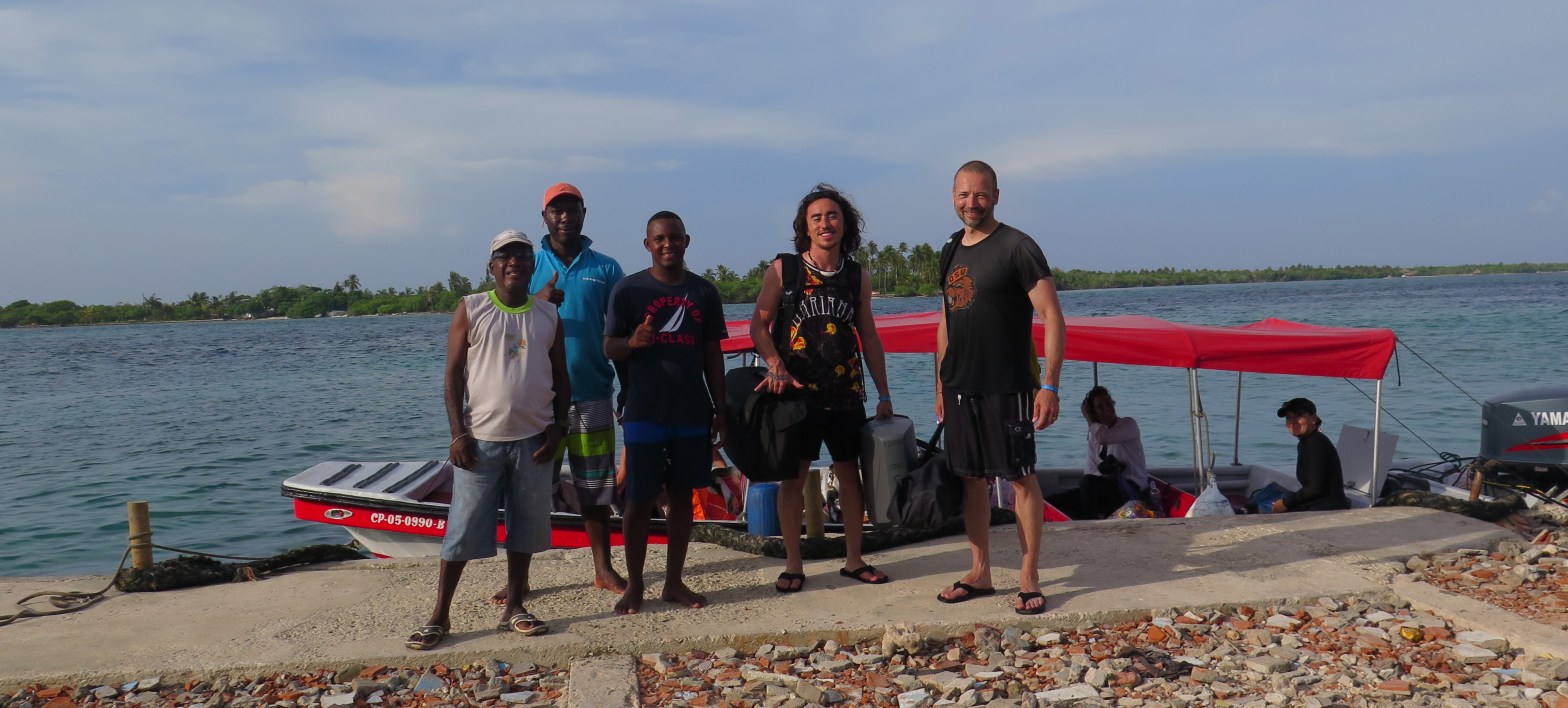
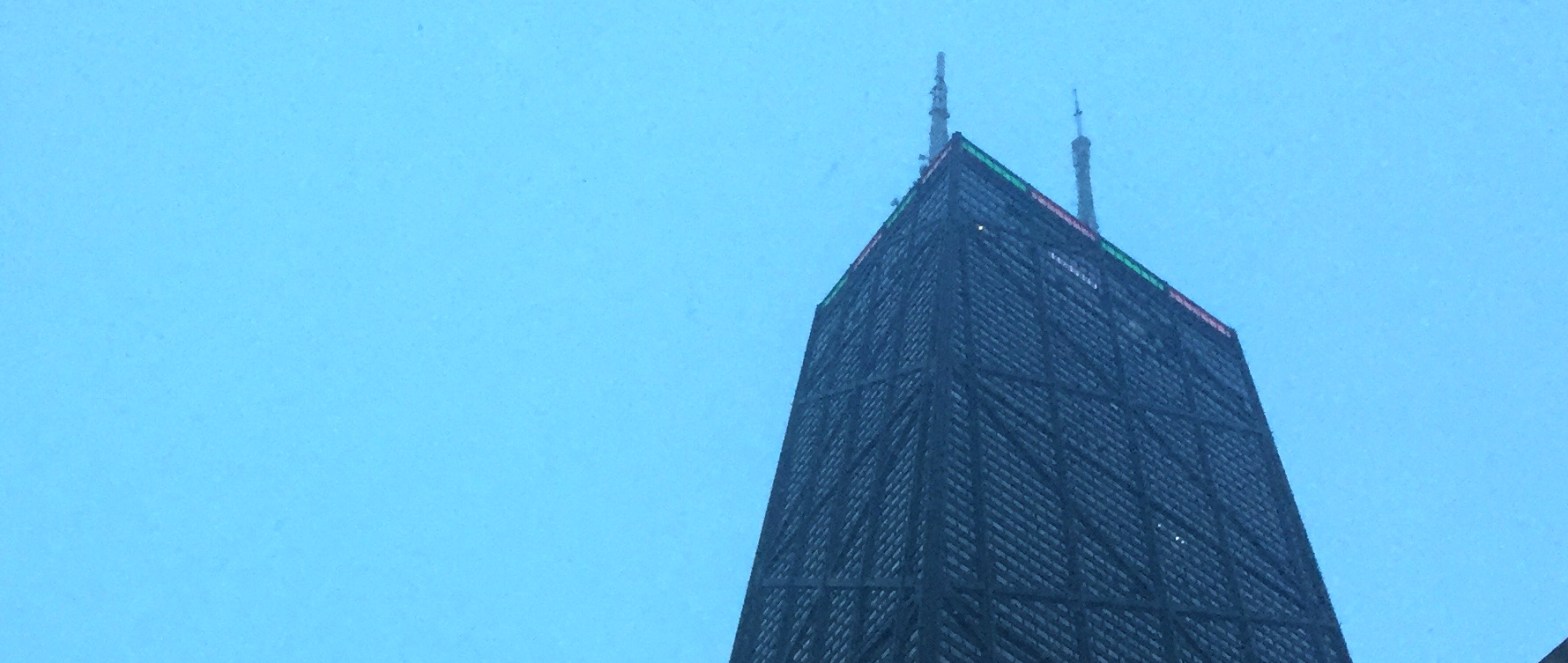
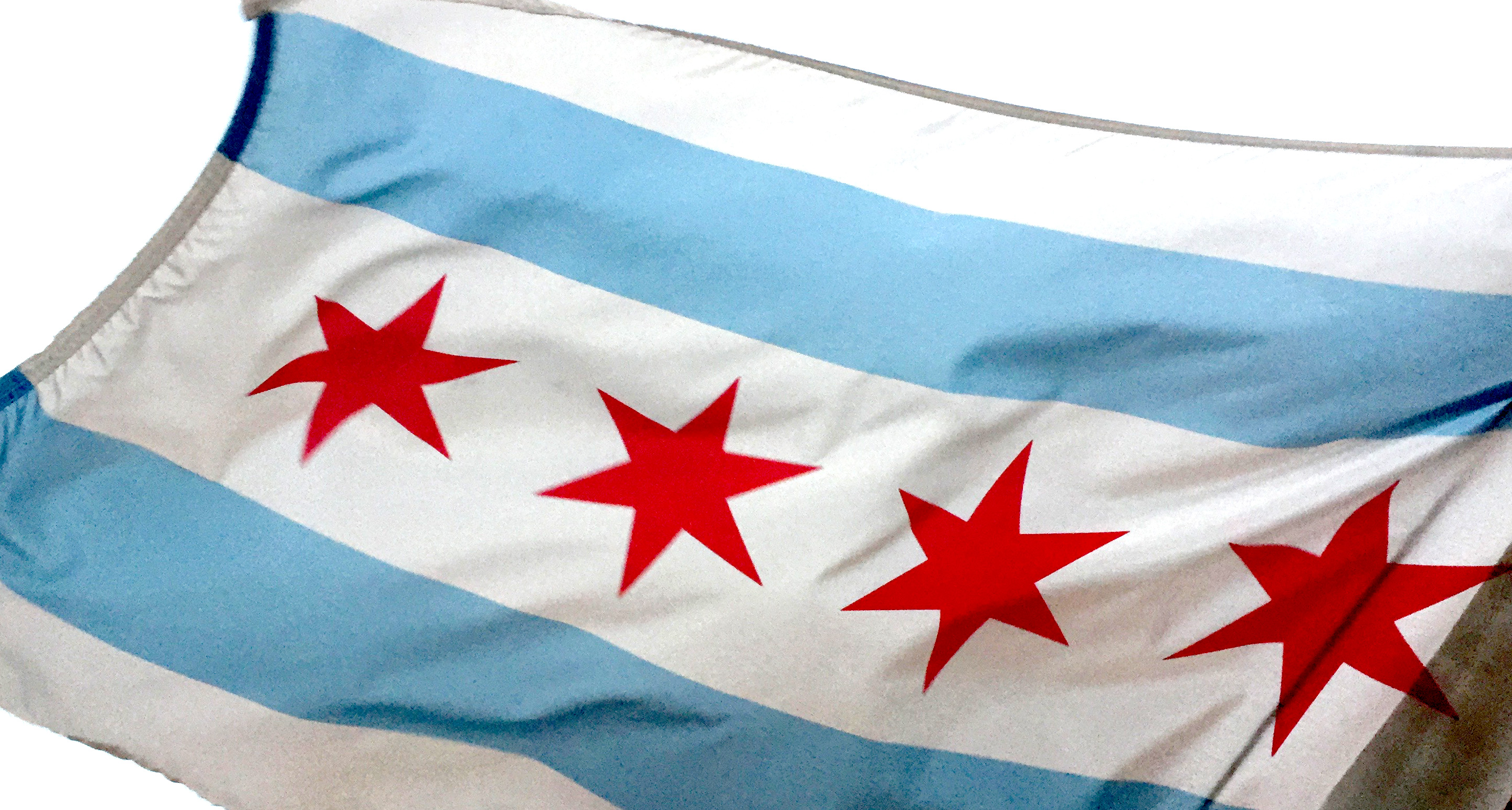

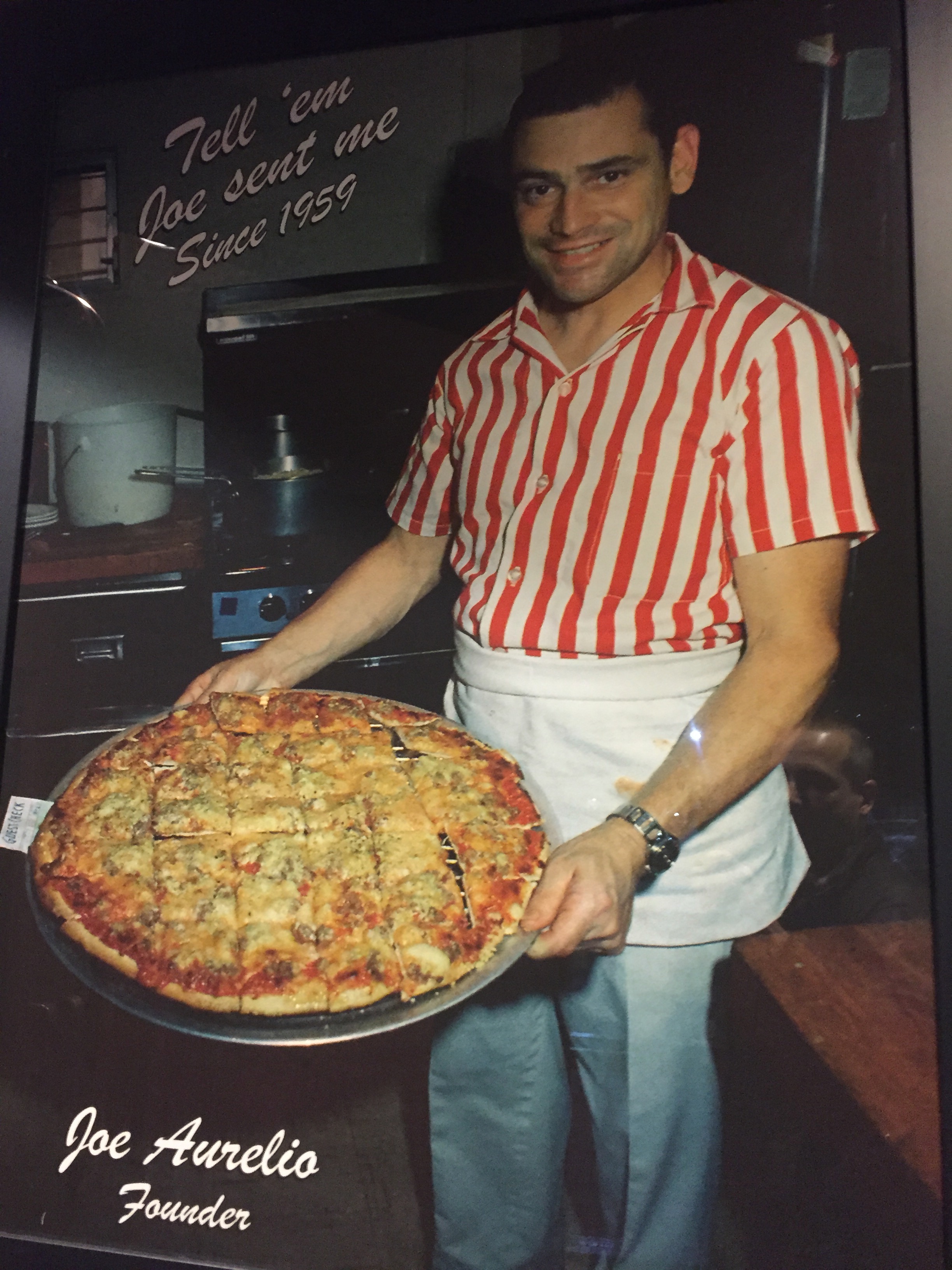
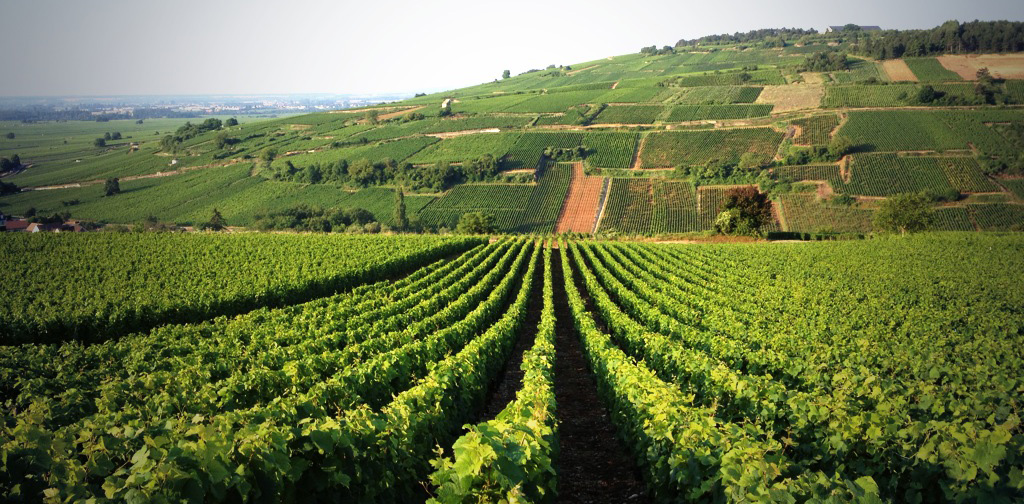


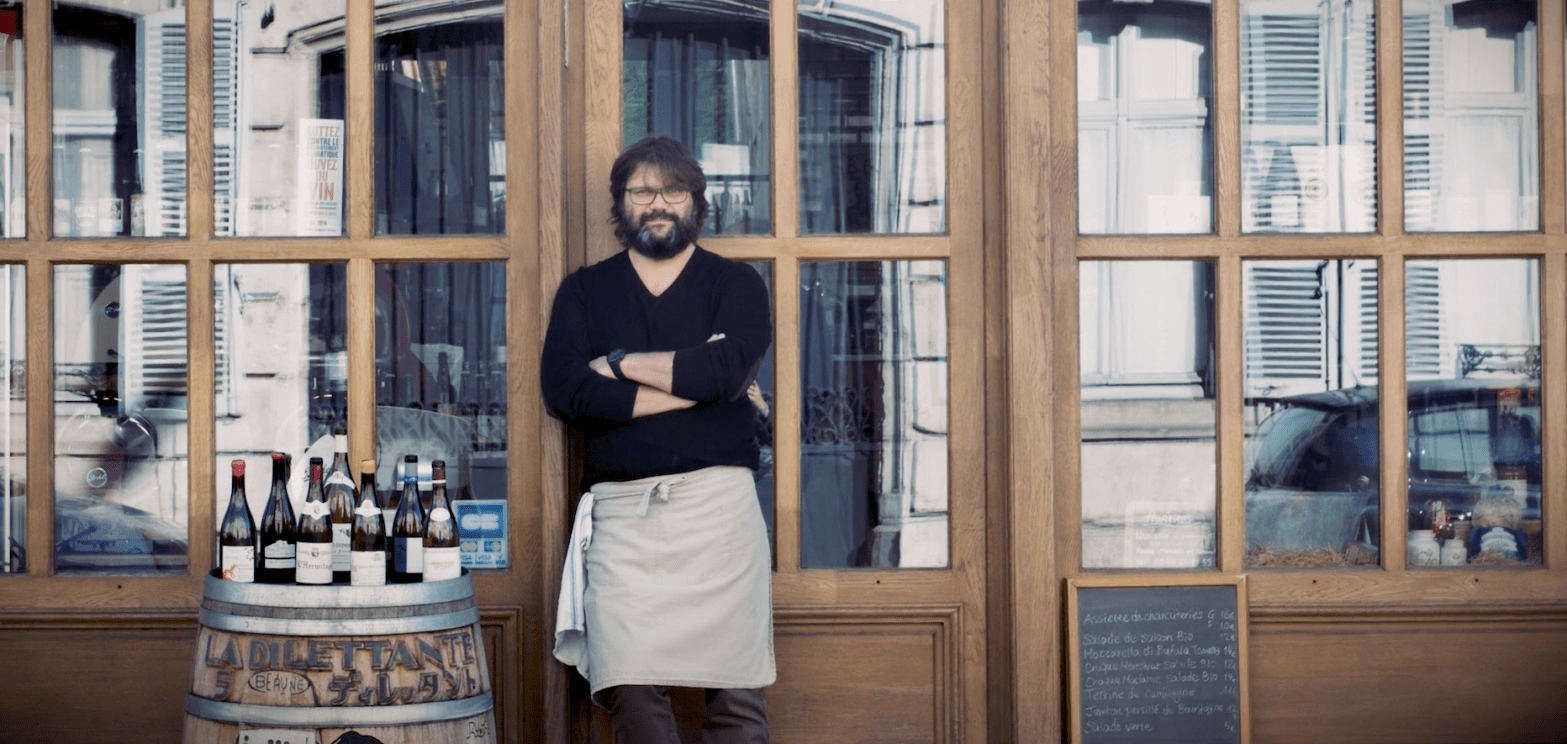
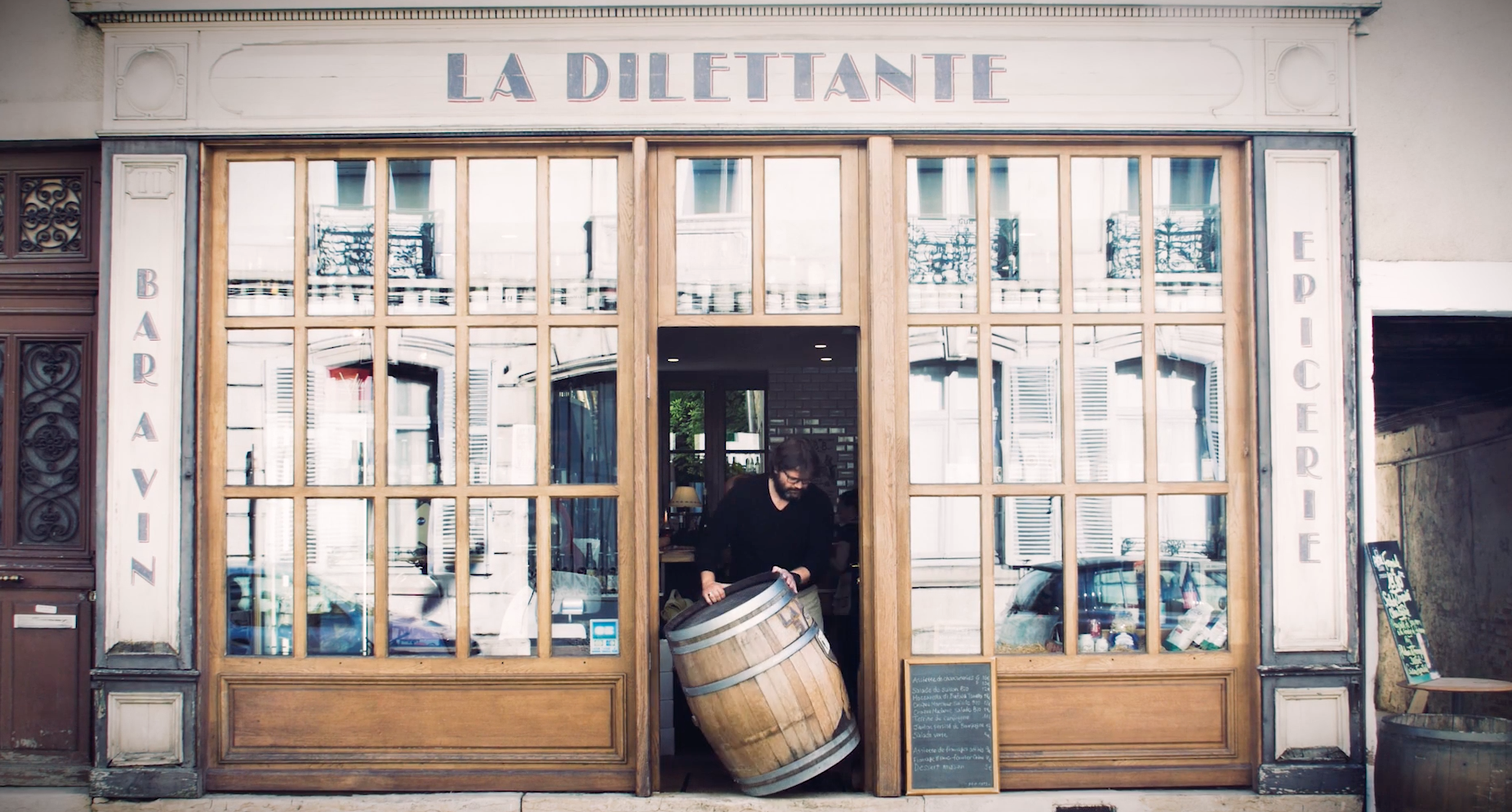
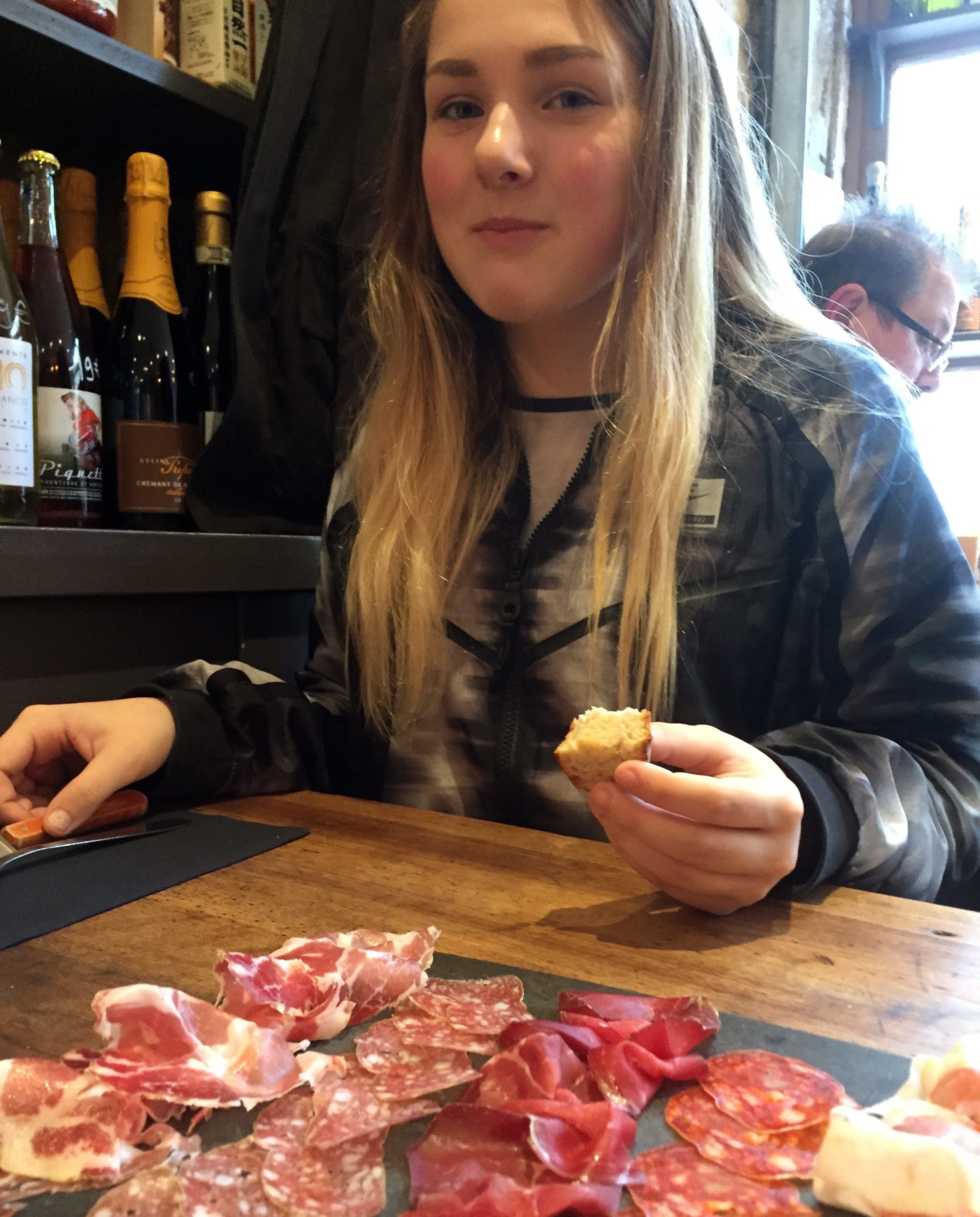
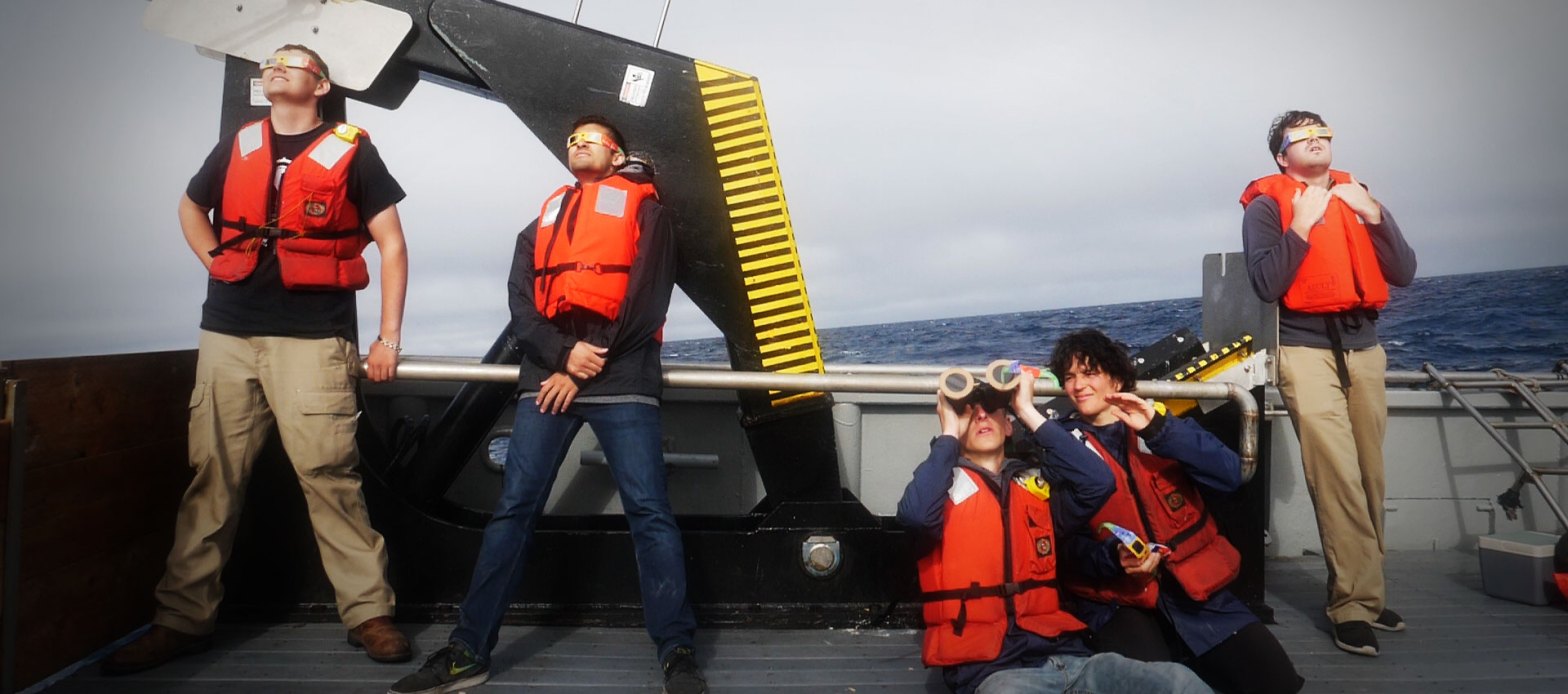


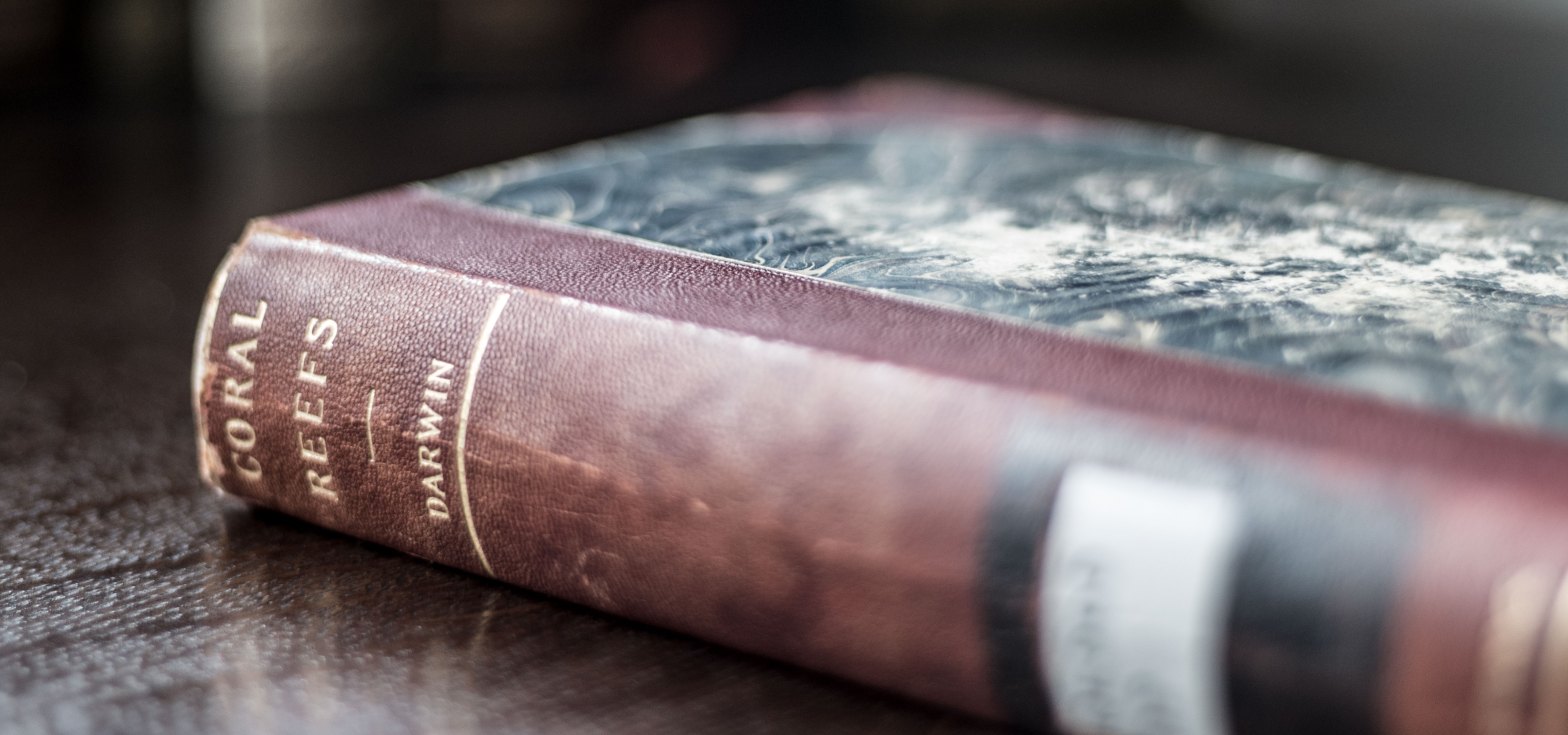
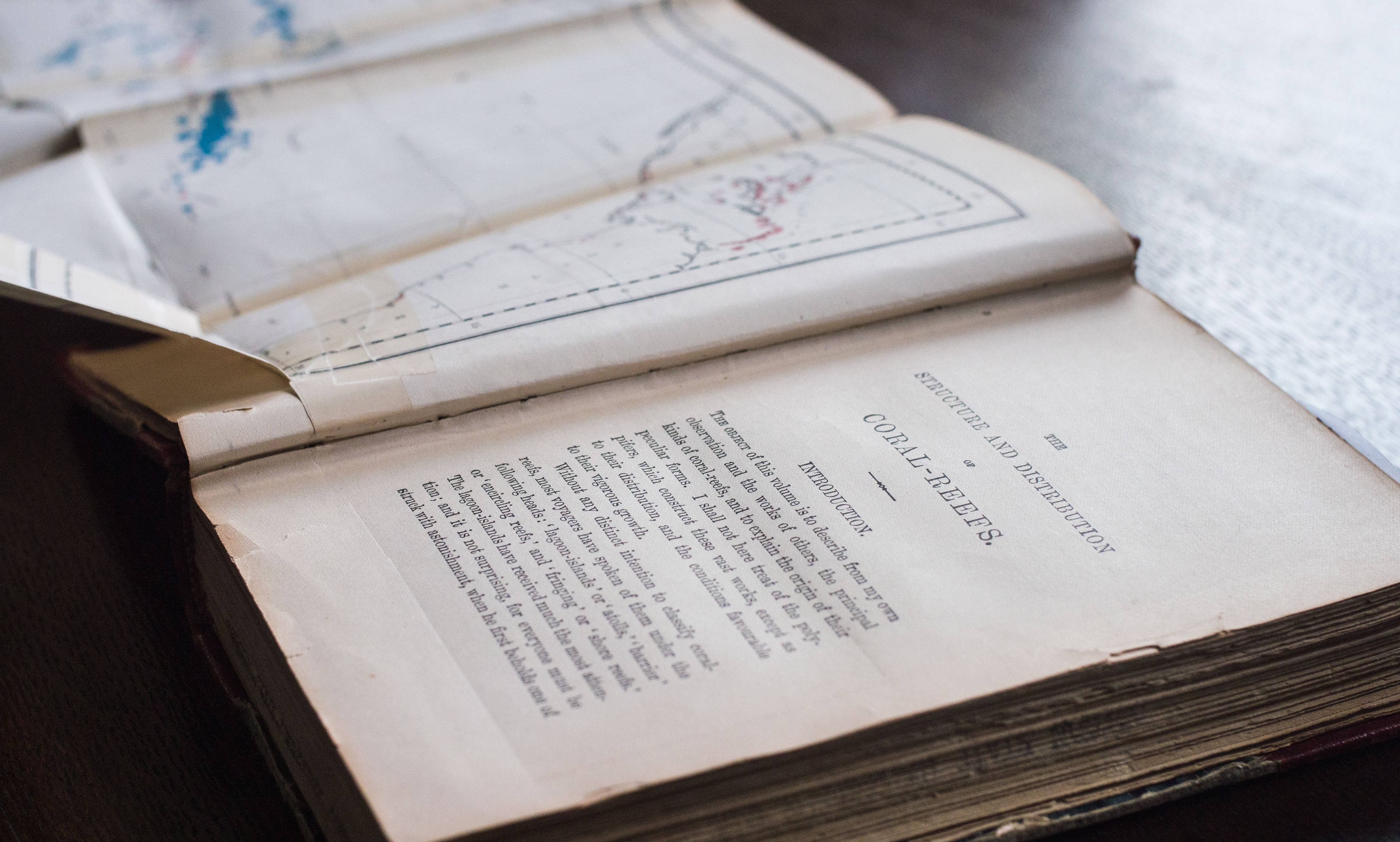
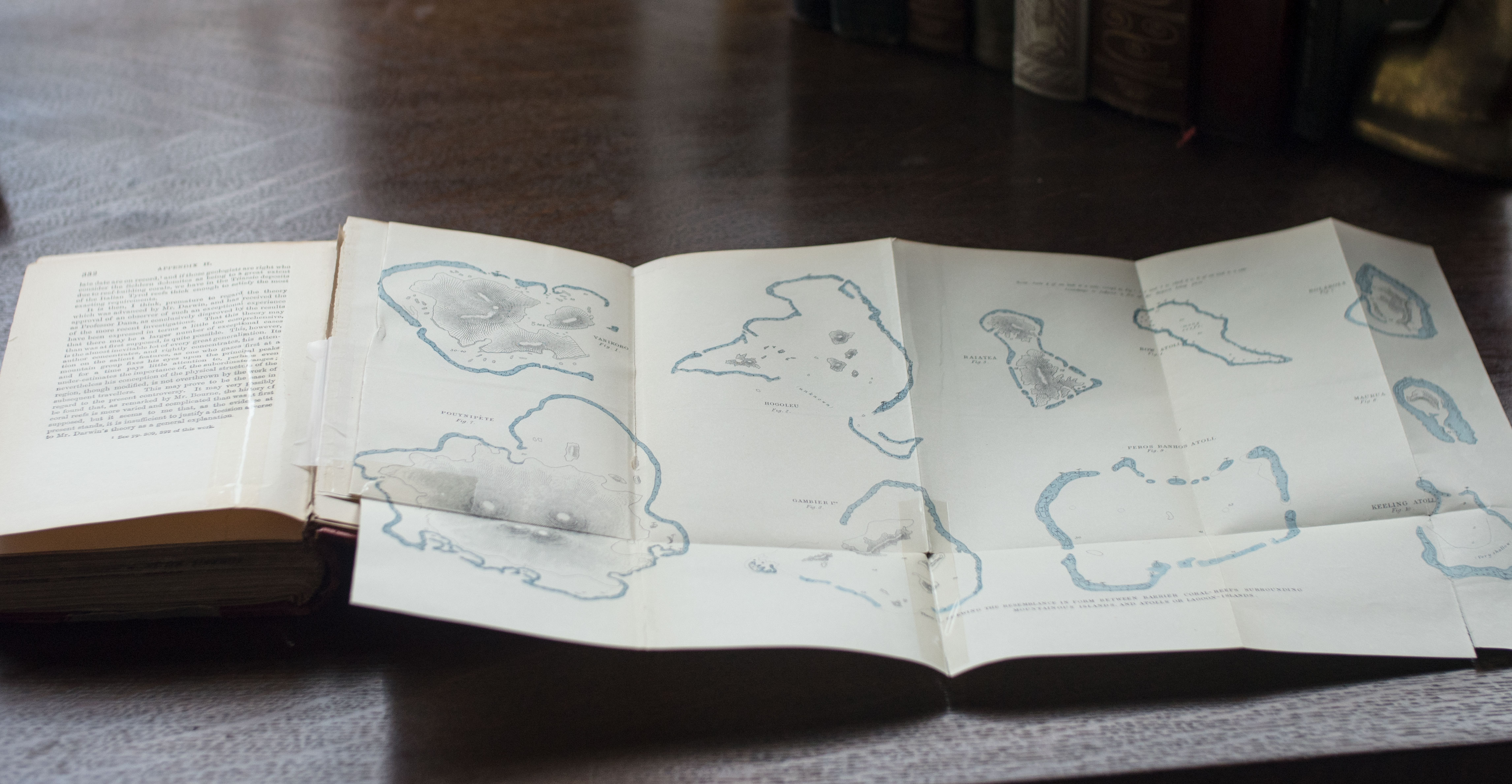
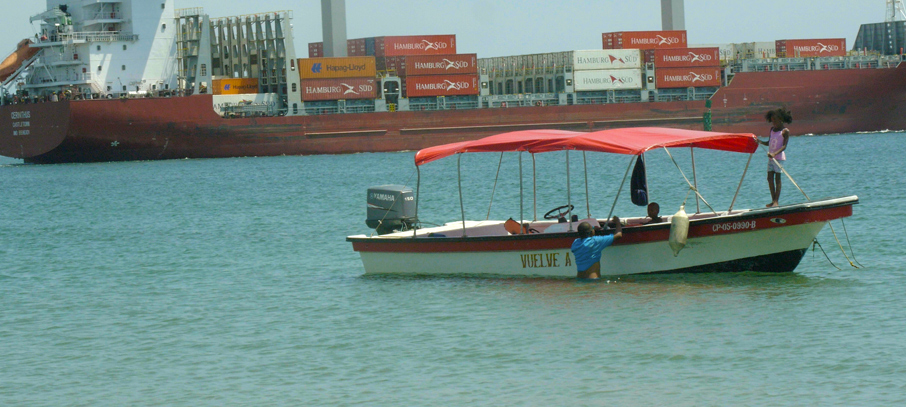
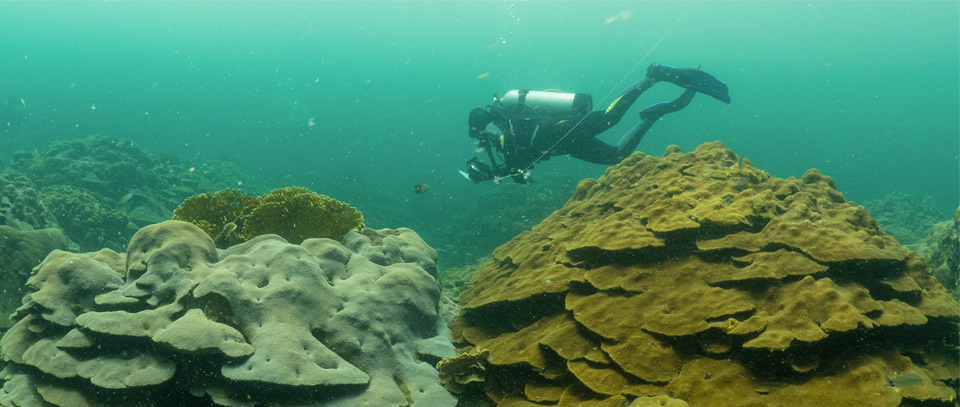
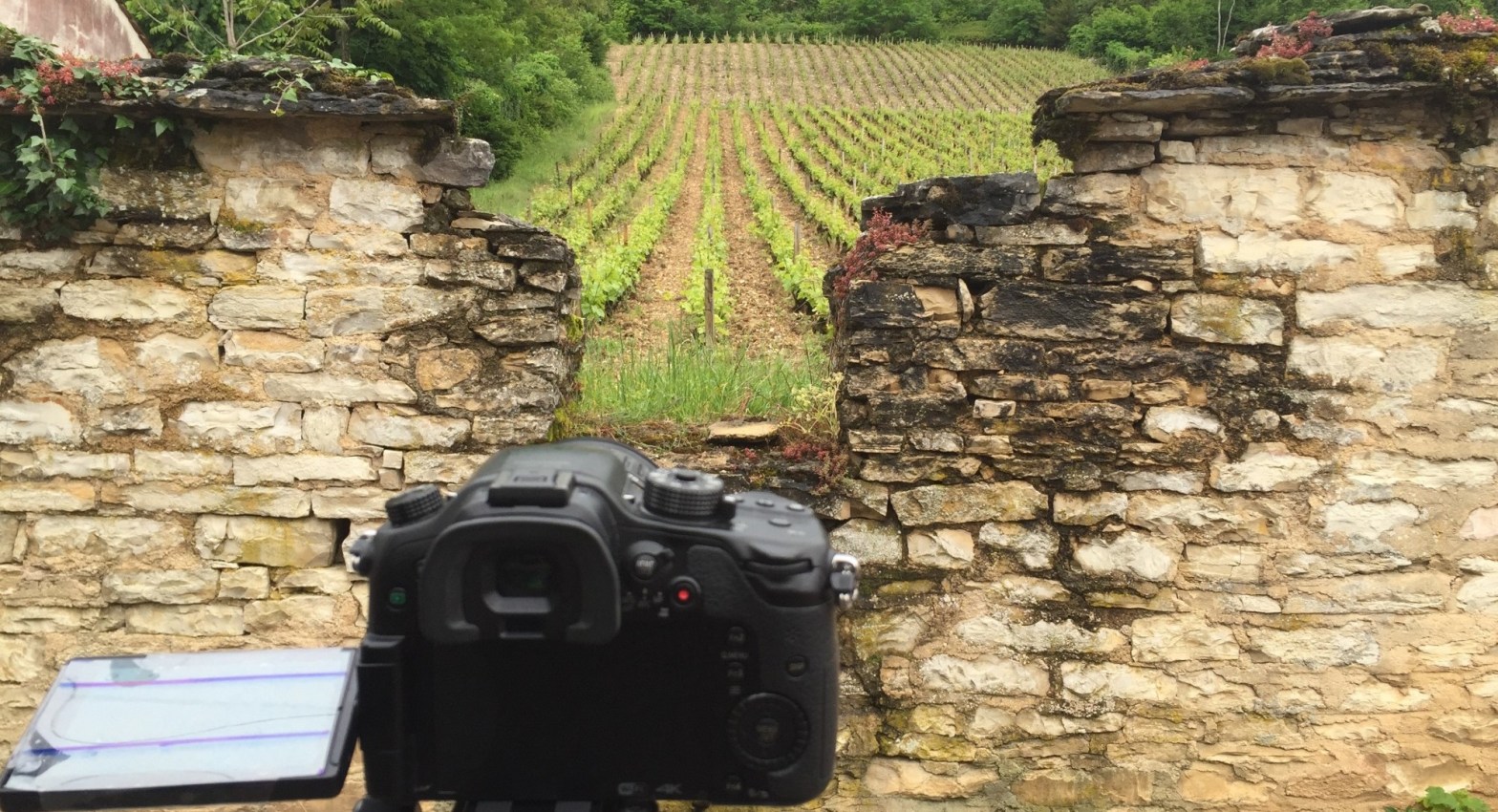
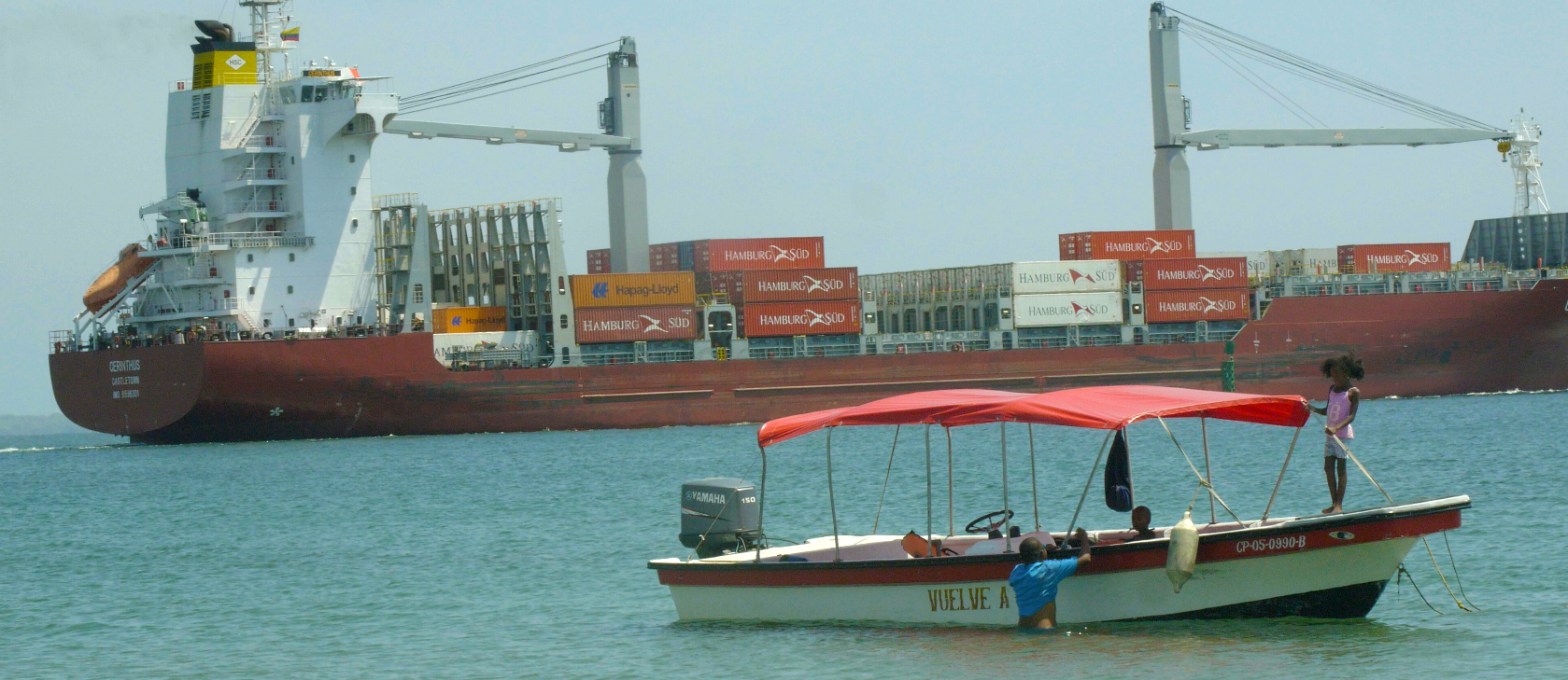


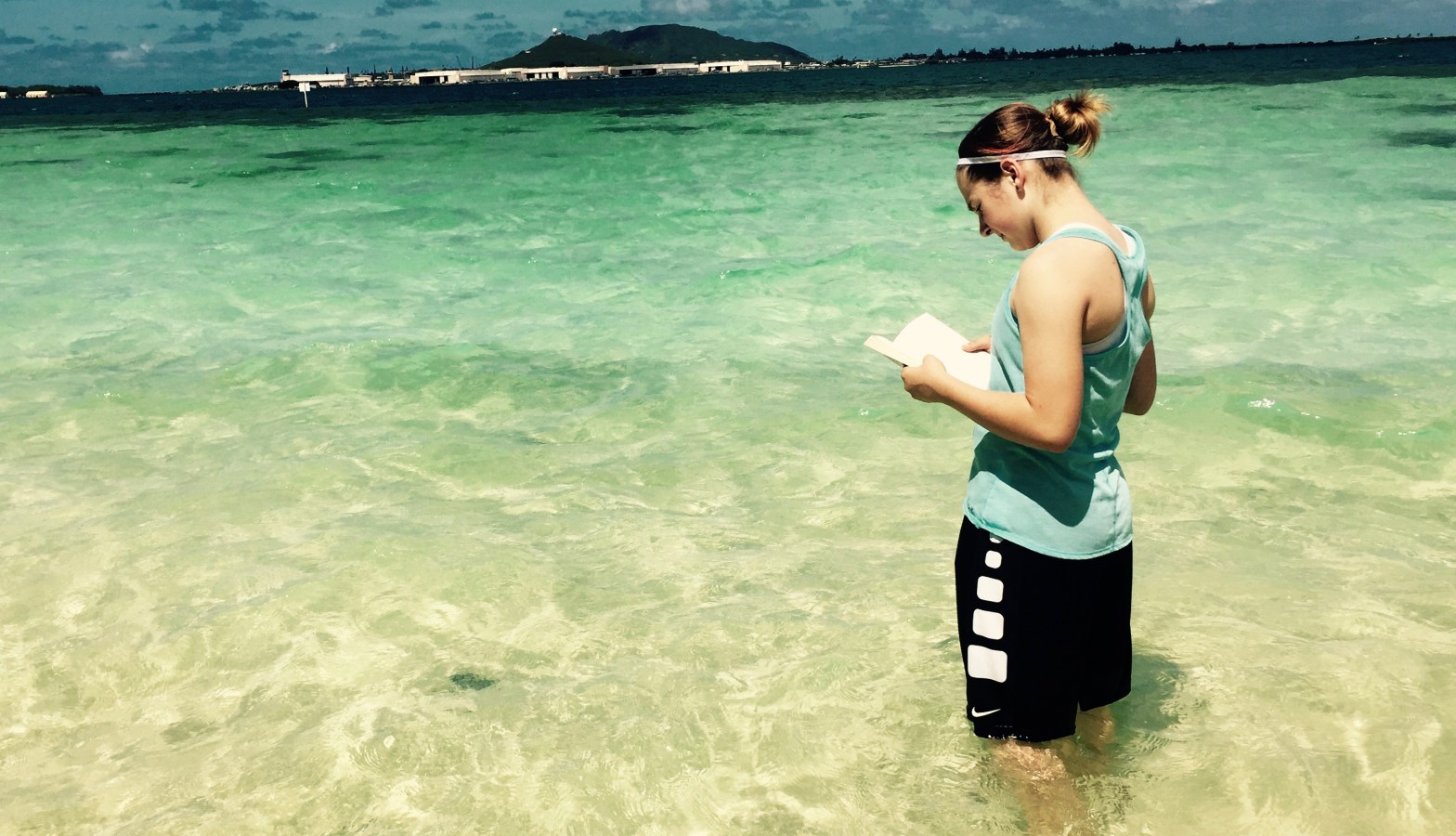


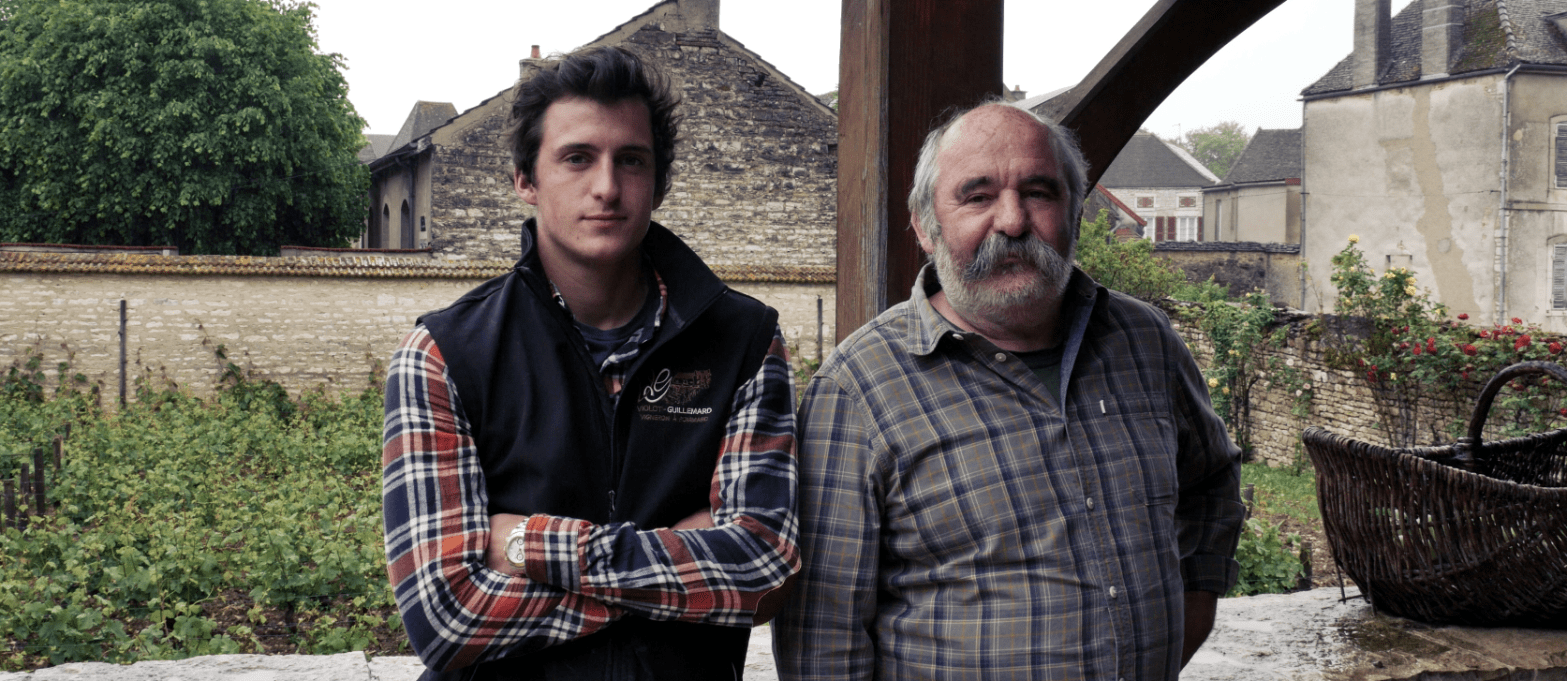
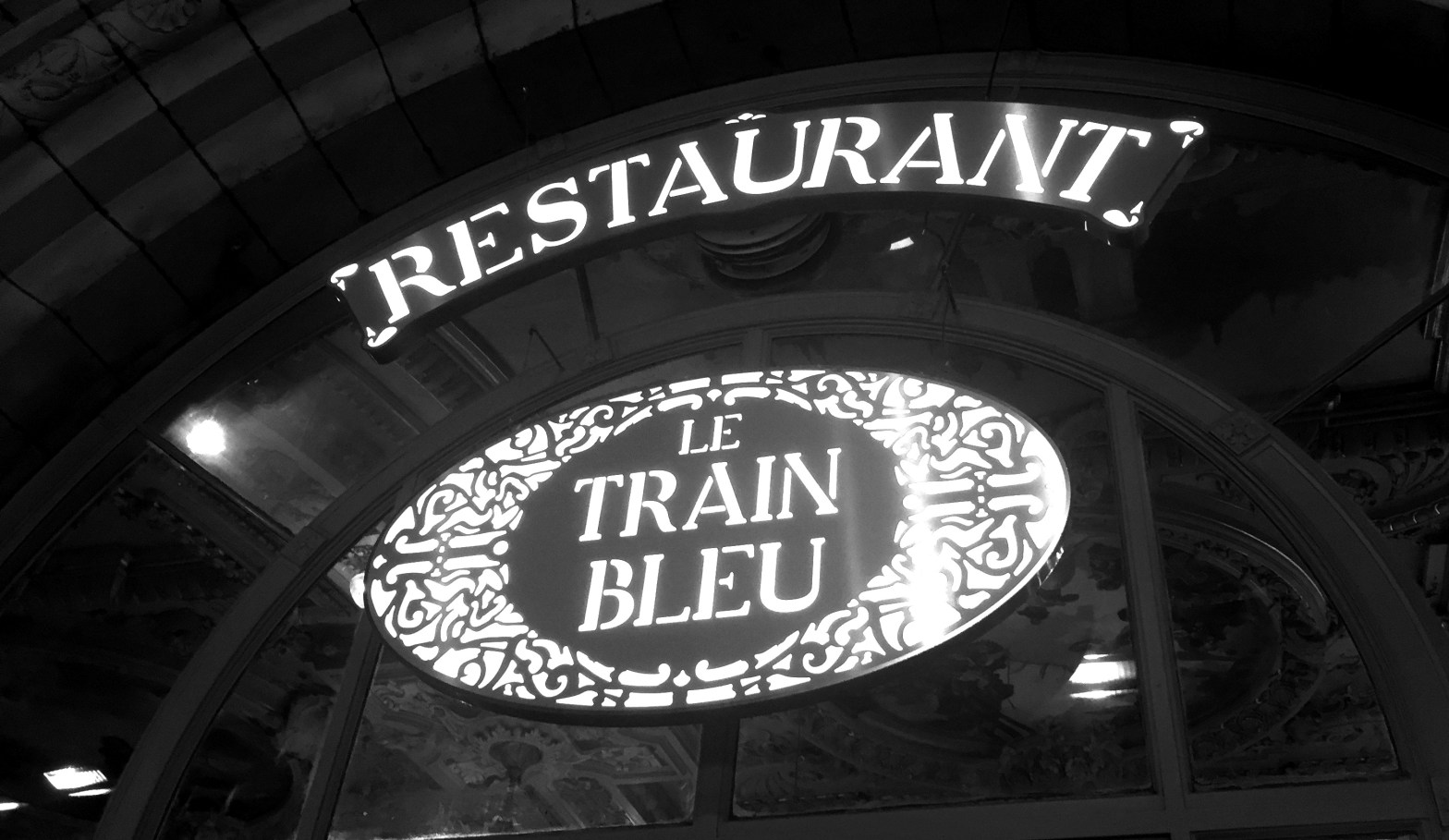


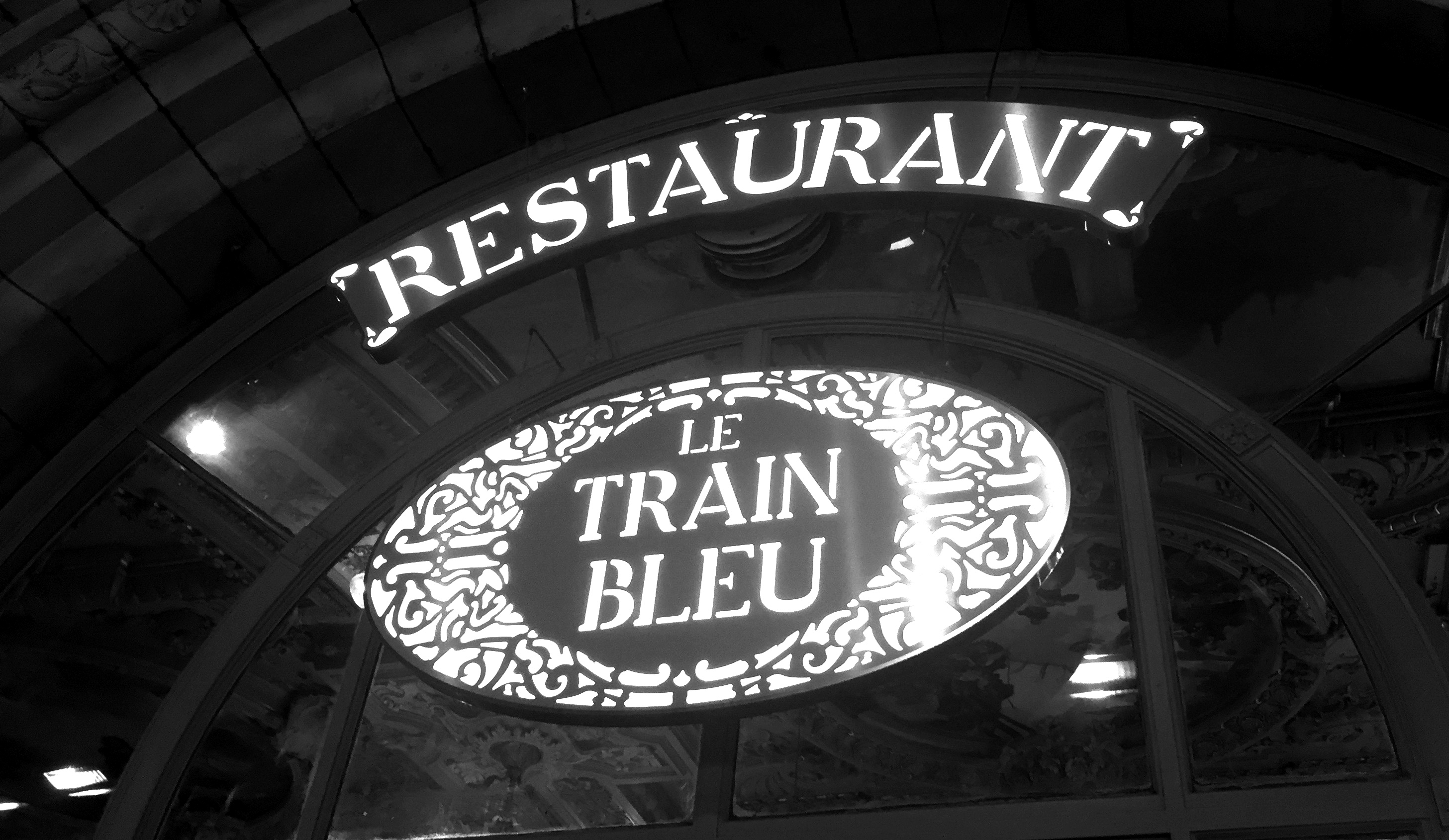


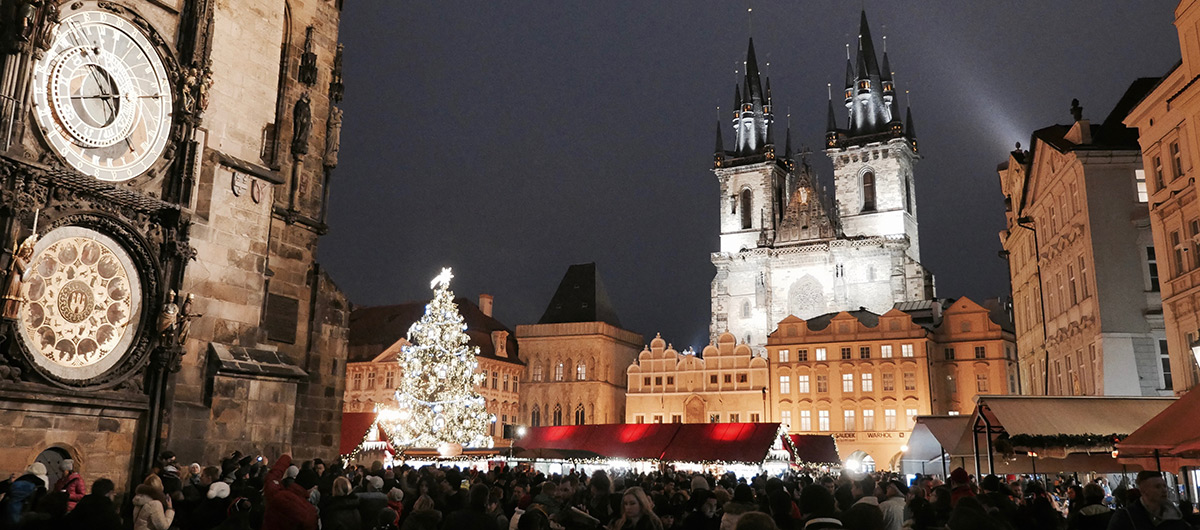


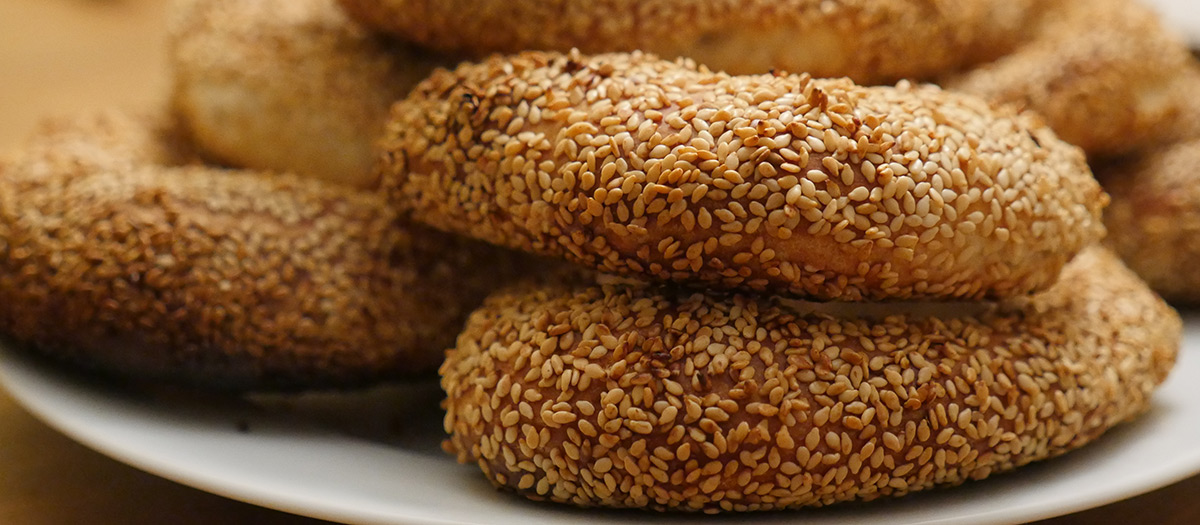
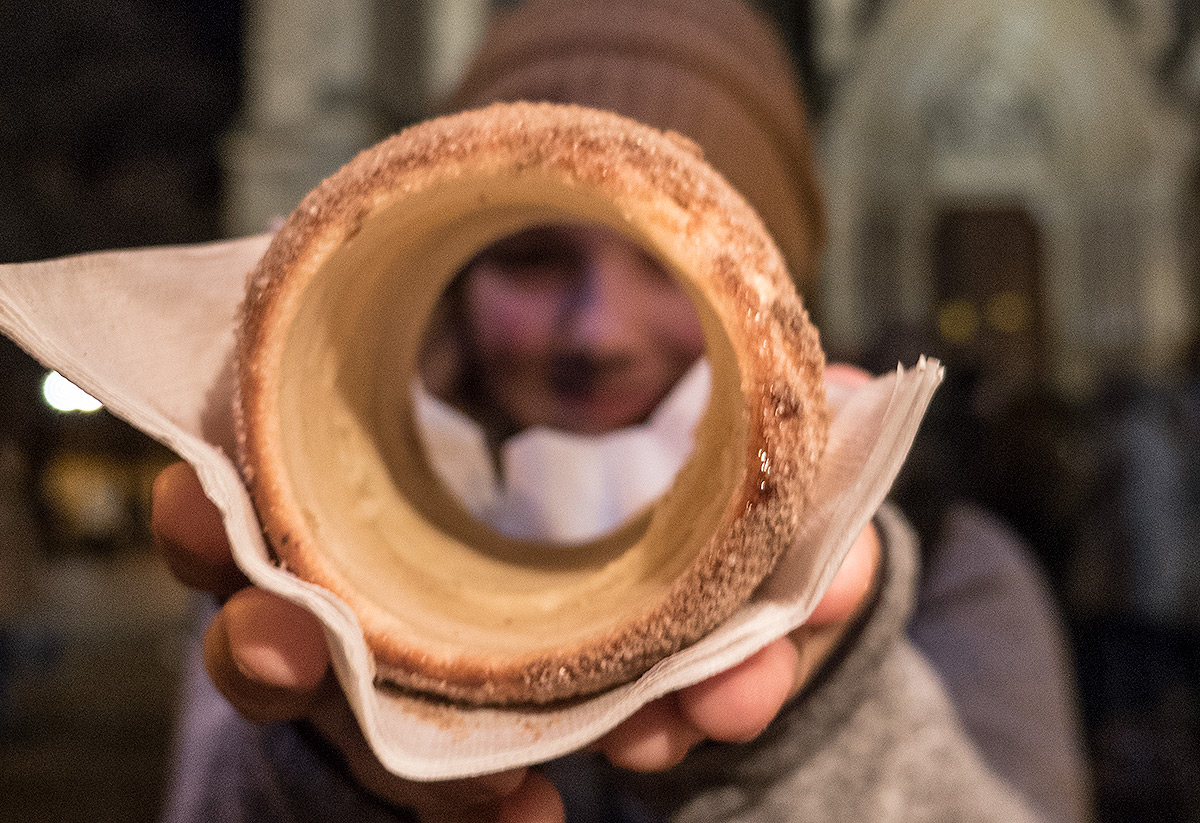
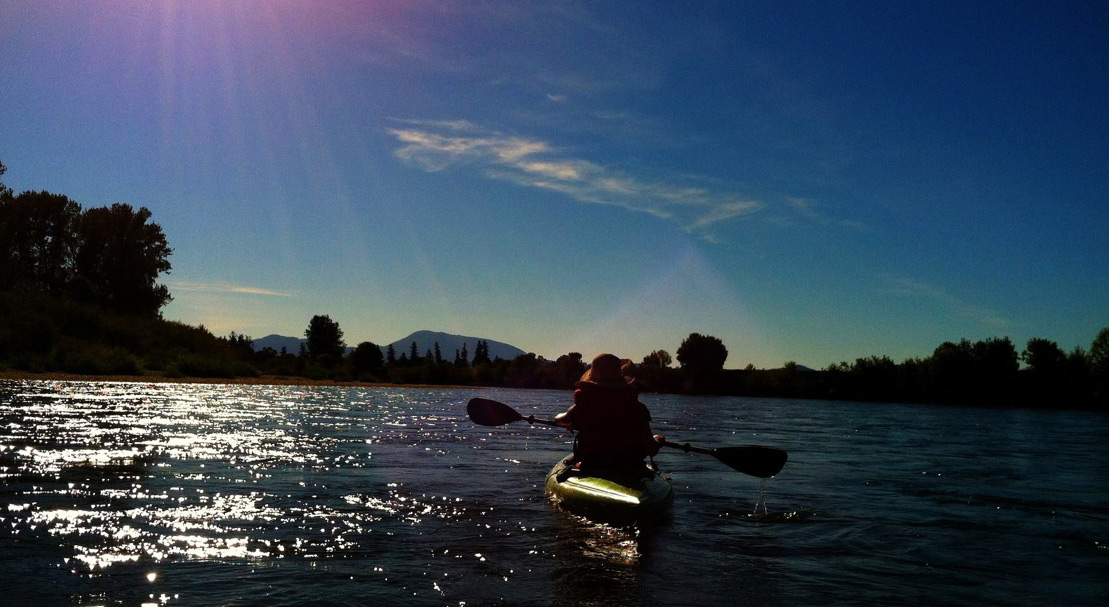

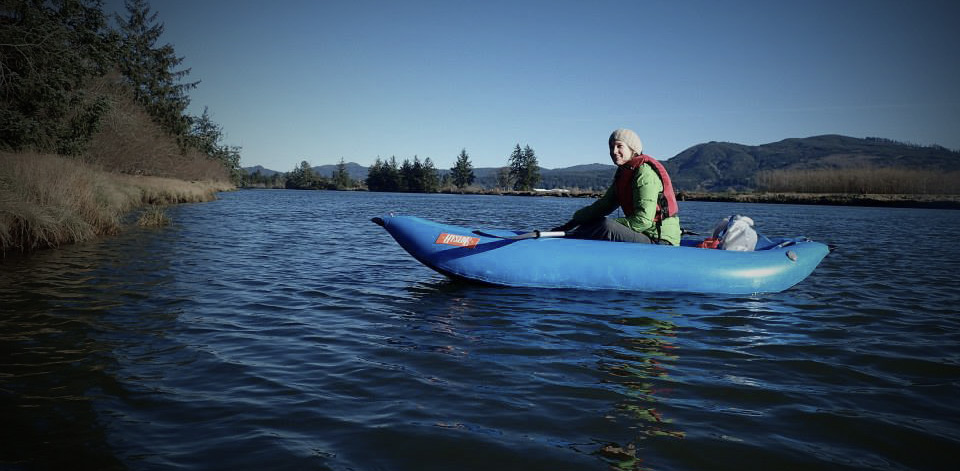
 What drives you to write? Where does that impulse to tell stories come from when you already have a career that fills your time?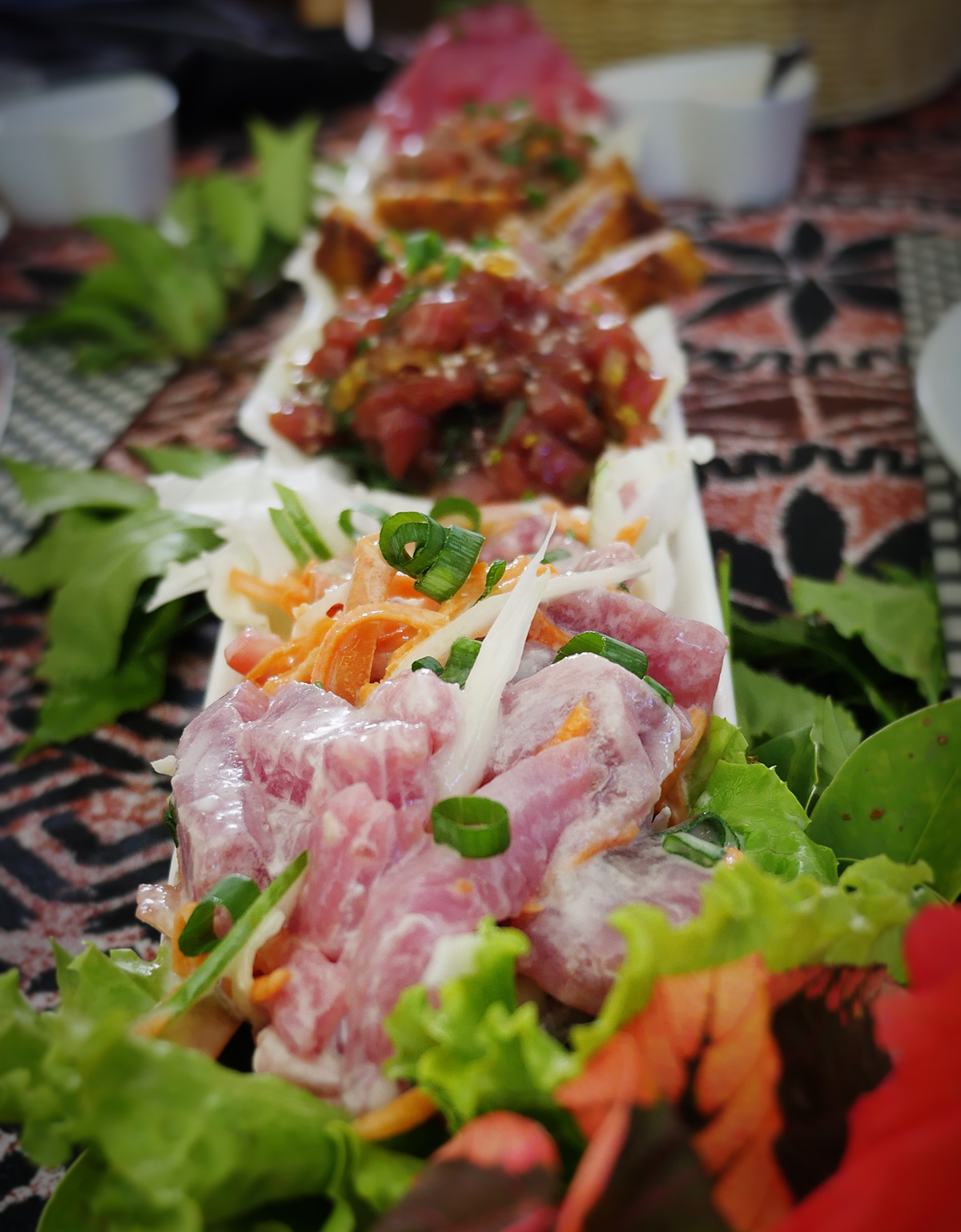


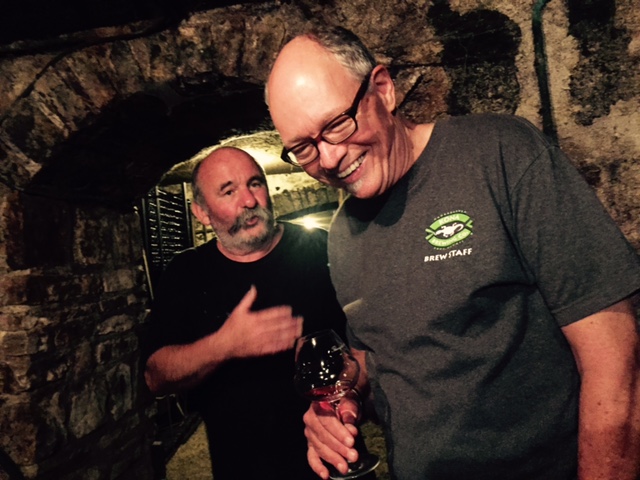
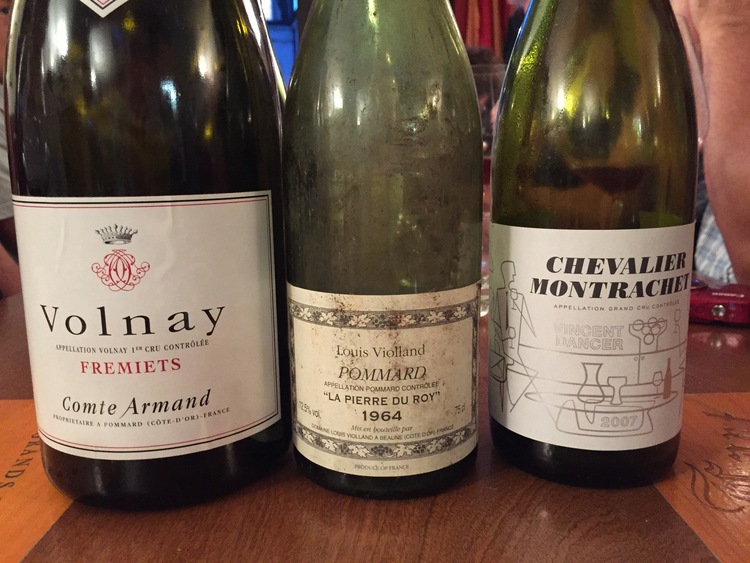
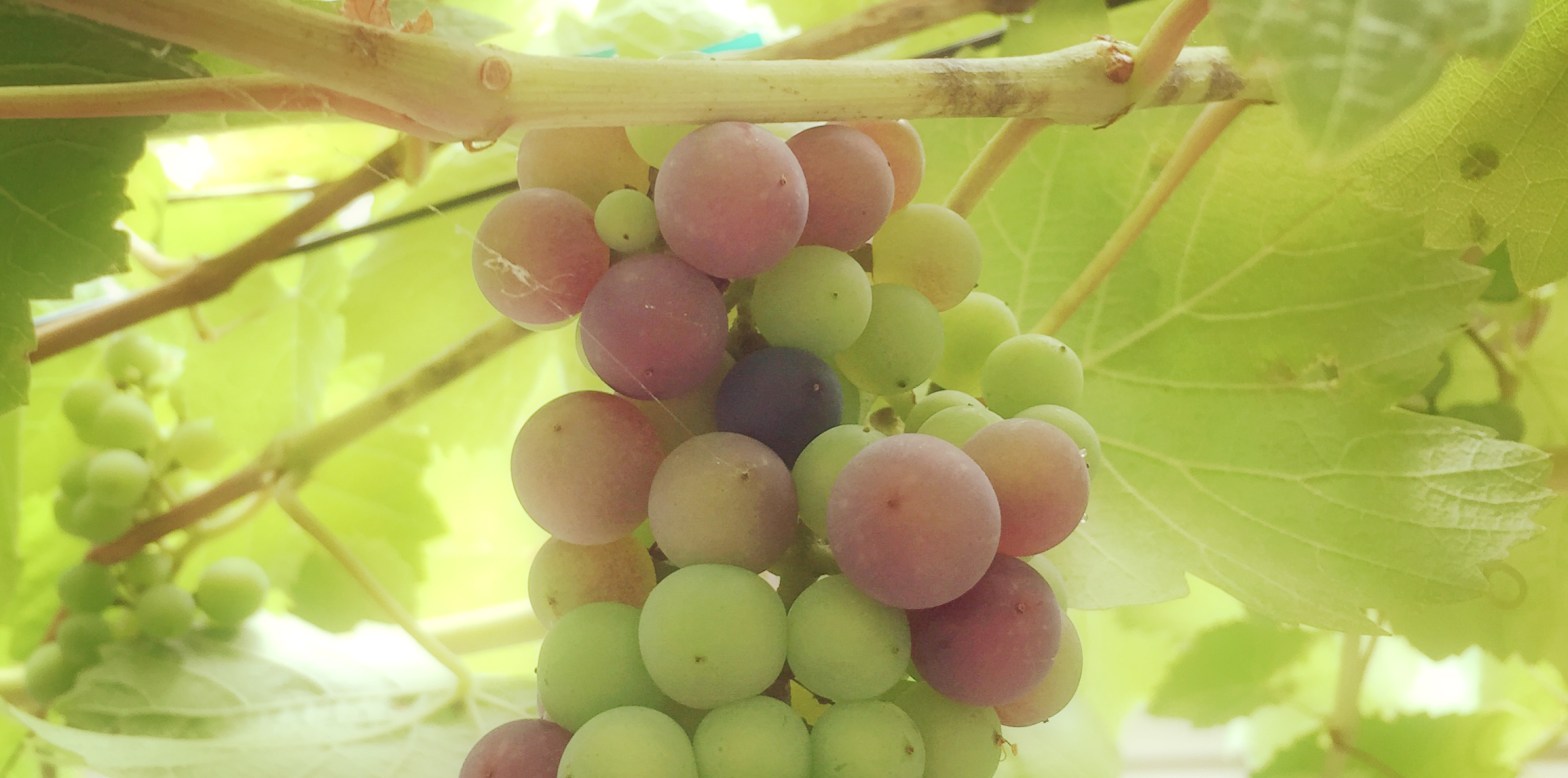


 The Dilettante's Field Manual